
Tulsa Motorcycle Accident Lawyer
If you need a Tulsa motorcycle accident lawyer, we start with the physical evidence rather than assumptions about how you were riding. Motorcycle claims often begin with allegations about speed, visibility, or risk-taking that the actual crash evidence does not support.
At Lloyd & Lloyd, we represent injured riders across the Tulsa area from our office in Sand Springs. Our attorneys, Jim Lloyd, Nancy Lloyd, and James “Buddy” Lloyd II, handle motorcycle injury claims by building the factual record that separates what happened from what someone assumed happened. Call 918-246-0200 for a free case evaluation.
Why Do Motorcycle Claims Start With Assumptions Instead of Evidence?
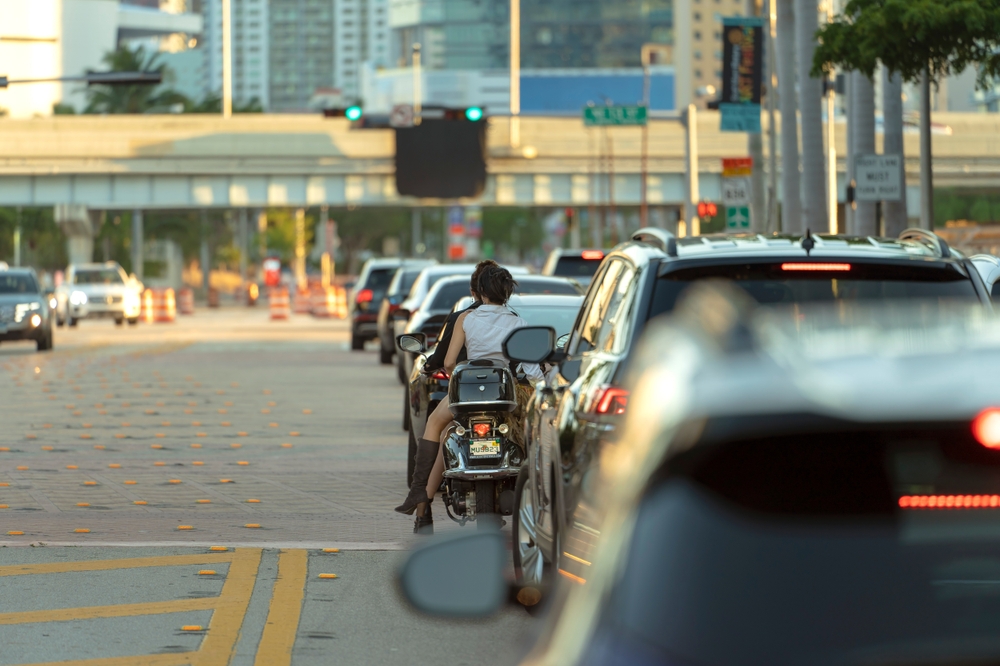
Motorcycle claims start with assumptions when people infer speed, visibility, or rider behavior before reviewing the physical evidence. Those assumptions shape the early narrative, and they rarely work in the rider’s favor.
A driver who turned left across a rider’s path tells the officer the motorcycle “came out of nowhere.” An adjuster reviews the claim and focuses on whether the rider was wearing a helmet. A witness remembers the motorcycle was “going fast” but has no actual estimate of speed.
We examine vehicle damage, impact points, lane positions, sight lines, traffic-camera or dash-camera footage, and witness accounts before accepting any narrative about rider fault. That approach matters because a motorcycle claim needs to be built around evidence, not around the other side’s first impression.
How Does Lloyd & Lloyd Approach a Tulsa Motorcycle Crash Claim?
Lloyd & Lloyd is a three-attorney family firm that has served the Tulsa area for decades. We handle motorcycle accident claims by focusing on the physical and documentary evidence that answers disputed fault questions.
We start with the crash itself. We review the collision report, identify available video, examine vehicle damage patterns, and document road and traffic conditions. From there, we evaluate the medical records, financial losses, and insurance coverage that shape the claim.
We treat every rider’s case individually. We do not assume the crash followed a predictable pattern, and we do not accept an insurer’s fault argument without testing it against the evidence. Call 918-246-0200 for a free case evaluation.
What Motorcycle Crash Patterns Create Common Fault Disputes?
Motorcycle collisions follow patterns that directly affect how fault is investigated and disputed. Understanding the crash type helps explain what evidence matters most.
What Happens in a Left-Turn Collision?
A left-turn crash occurs when an oncoming vehicle turns across the motorcycle’s path. The turning driver frequently claims the motorcycle was not visible or approached too quickly.
The evidence that answers this includes the motorcycle’s lane position, the turning vehicle’s speed and angle, traffic-signal timing, and any available video. The turning driver’s obligation to yield does not disappear because the oncoming vehicle was a motorcycle instead of a car.
What About Lane-Change and Blind-Spot Crashes?
A driver who merges or changes lanes into a motorcycle’s space creates a collision that turns on positioning and awareness. Mirror use, turn signals, impact location on the vehicles, and witness or camera evidence all help reconstruct the sequence.
The claim that the motorcycle was “in a blind spot” does not resolve negligence. Oklahoma law under 47 O.S. § 11-309 establishes the rules governing safe lane changes, and a driver who fails to check before moving into an occupied lane faces a straightforward right-of-way question.
What Is a Dooring Accident?
A dooring crash happens when a parked driver opens a vehicle door into the path of an oncoming motorcycle. Oklahoma law under 47 O.S. § 11-1105 prohibits opening a vehicle door into moving traffic unless it is reasonably safe to do so.
What About Road-Hazard Crashes?
Loose gravel, potholes, debris, and slick pavement affect motorcycle traction and become important parts of a crash investigation. Weather and road conditions also play a role when rain, ice, or poor drainage contribute to a crash.
A road-hazard claim requires identifying who created or controlled the dangerous condition and what legal duty applied. Governmental and contractor-related claims involve different procedural requirements and deadlines.
How Do We Test an Allegation That the Rider Was Speeding?
Speed is one of the most common allegations in a disputed motorcycle crash, and it is also one of the most testable. We do not accept a speed claim at face value.
Available video footage provides the most direct evidence. When video exists from traffic cameras, business surveillance, or another vehicle’s dash camera, it shows the motorcycle’s movement in real time. We also examine the physical evidence at the scene, such as skid marks, gouge marks, debris scatter patterns, and the location of final rest positions.
Vehicle damage tells part of the story. Impact points and the extent of deformation help reconstruct the force and angle of the collision. Electronic data from the motorcycle or the other vehicle, when available, adds another layer.
Witness accounts are useful, but “it looked fast” is not a speed measurement. We compare witness impressions against the physical and electronic evidence to determine whether the allegation holds up or falls apart.
Does Oklahoma’s Helmet Law Affect a Motorcycle Injury Claim?
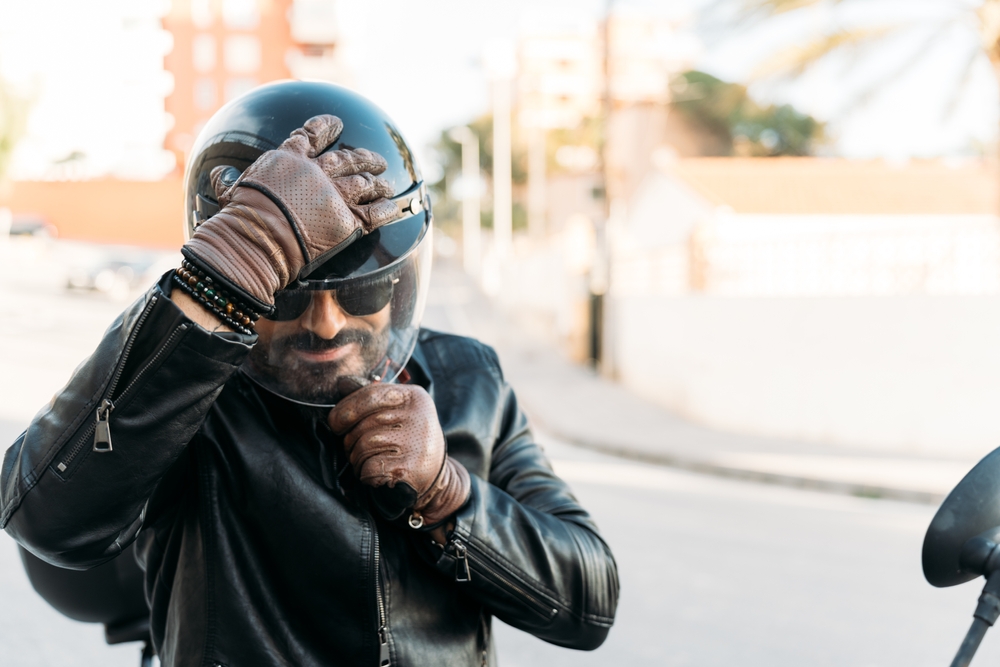
Oklahoma requires motorcycle helmets for operators and passengers under age 18 under 47 O.S. § 12-609(B). The state does not impose a universal helmet mandate on adult riders.
That distinction matters because adjusters sometimes raise helmet nonuse as a fault argument against adult riders. Oklahoma appellate authority has rejected that approach.
In Johnston v. Stacy, 2016 OK CIV APP 56, the Oklahoma Court of Civil Appeals held that evidence of motorcycle helmet nonuse was generally inadmissible to establish liability or contributory negligence. The court also treated helmet nonuse as inadmissible for a damages-mitigation argument under the circumstances it analyzed.
An adult rider’s decision not to wear a helmet does not establish fault for causing the collision. We use this legal authority to counter helmet-based fault arguments when they arise.
How Does Oklahoma’s Comparative Fault Rule Apply to Motorcycle Crashes?
Oklahoma’s modified comparative negligence rule under 23 O.S. § 13 bars recovery when the injured person’s negligence exceeds the combined negligence of the defendants. Section 14 reduces damages in proportion to the injured person’s share of fault.
At 50% fault, the rider still recovers, but the award is cut in half. At 51%, recovery is barred entirely.
This rule becomes central in motorcycle cases when the other side alleges rider speed, lane positioning, or aggressive riding contributed to the accident. A driver who turned left into a rider’s path might argue the motorcycle approached too quickly.
We focus on what the physical evidence shows: actual speed indicators, sight distance, vehicle positions, timing, and right-of-way. The allegation alone does not establish the rider’s percentage of fault.
What Evidence Matters Most in a Tulsa Motorcycle Accident Claim?
A motorcycle claim turns on whether objective evidence supports or contradicts the first explanation offered after the crash.
| Disputed issue | Evidence that helps answer it |
|---|---|
| “The rider was speeding.” | Video, witness accounts, electronic data when available, roadway evidence, distance and timing analysis |
| “The motorcycle was in my blind spot.” | Vehicle positions, lane location, mirror angles, signal use, impact points, video |
| “The rider was not wearing a helmet.” | Oklahoma helmet law, Johnston v. Stacy, and the actual legal relevance of helmet nonuse |
| “The road caused the crash.” | Roadway photographs, maintenance records, construction documentation, witness evidence |
| “The rider caused the lane conflict.” | Lane markings, traffic law, impact location, witness and video evidence |
Motorcycle damage and impact location tell part of the story. Medical records, treatment history, and work restrictions tell the rest.
Riders dealing with issues that arise after a motorcycle crash discover that the evidence they need exists in places they did not expect, including traffic cameras, nearby business surveillance systems, and the other vehicle’s electronic data.
What Happens When the Other Driver’s Insurance Falls Short?
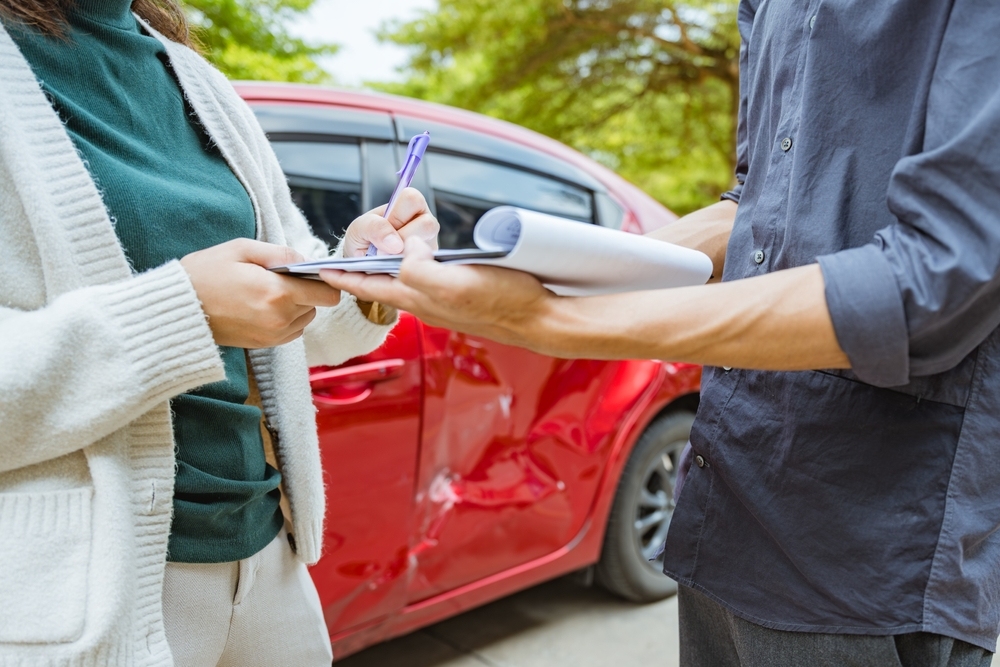
When a rider’s losses exceed the at-fault driver’s liability limit, that insurer’s obligation is capped at the policy amount. Oklahoma’s minimum bodily injury requirement is only $25,000 per person. A single surgery and several weeks of missed work exceed that threshold quickly.
The cap limits what that insurer owes under that liability policy. It does not necessarily define the total available recovery.
Oklahoma’s UM statute, 36 O.S. § 3636, requires uninsured motorist coverage to be included with applicable motor-vehicle liability policies unless the named insured properly rejected the coverage. A rider who carries applicable UM/UIM coverage has another coverage source when the responsible driver’s insurance does not fully address the losses.
Not every rider carries UM/UIM coverage. Some reject it when purchasing the policy. We review the rider’s own coverage alongside the at-fault driver’s policy to identify every available source.
If you are unsure what coverage applies to your crash, call Lloyd & Lloyd at 918-246-0200.
What Losses Does a Motorcycle Injury Claim Address?
A motorcycle injury claim in Oklahoma addresses the documented losses the collision caused, including medical expenses, lost income, reduced earning ability, and non-economic harm such as physical pain and loss of mobility.
Without a vehicle frame absorbing impact, the rider’s body takes the force directly. That reality affects the scope of treatment, the length of recovery, and the documentation required to support the claim.
The documented losses that form part of a claim include:
-
Medical expenses from emergency care, surgery, hospitalization, and > ongoing treatment such as physical therapy or follow-up procedures
-
Lost income during recovery, supported by employment records and pay > documentation
-
Reduced earning ability when lasting injuries restrict the type or > amount of work the rider performs
-
Physical pain, loss of mobility, and other non-economic harm > recognized under Oklahoma law
Each category requires documentation that connects the loss to the collision. Visible motorcycle damage does not determine the severity of the rider’s injuries. A crash that appears minor based on vehicle damage still produces serious injuries when the rider’s body absorbs the impact directly.
We document each loss through medical records, provider narratives, employment records, and the rider’s own account of how the injury affects daily life.
Where Do Motorcycle-Specific Claim Issues Arise in the Tulsa Area?
Multi-lane intersections, highway merge zones, and construction areas all create visibility and right-of-way conflicts that affect riders differently than car drivers. A left-turn collision at a busy Tulsa intersection raises different evidence questions than a rear-end car crash on the same road.
Oklahoma imposes a two-year limitations period on personal injury lawsuits under 12 O.S. § 95(A)(3). The deadline runs from accrual of the claim. Filing after the applicable period bars the case unless an exception applies.
Evidence also has practical retention limits. Traffic-camera footage, business surveillance video, and electronic vehicle data are not stored indefinitely. Starting the legal review earlier gives us a stronger factual foundation.
FAQs for Tulsa Motorcycle Accident Claims
Is lane splitting legal in Oklahoma?
No. Oklahoma law under 47 O.S. § 11-1103(D) prohibits motorcycle riders from passing between lanes of traffic moving in the same direction. A 2024 proposal to allow limited lane filtering did not pass.
Can a passenger injured on a motorcycle make a claim?
Yes. An injured motorcycle passenger pursues a claim against the person whose negligence caused the crash. The facts determine whether responsibility rests with another driver, the motorcycle operator, or more than one party.
What if I was riding a borrowed motorcycle when the crash happened?
The ownership of the motorcycle does not determine who has a personal injury claim. The injured rider pursues a claim based on the negligence that caused the crash. Insurance coverage questions depend on the policies in place, including the motorcycle owner’s policy and the rider’s own applicable coverage.
What happens to a damaged helmet, jacket, or other riding gear after a crash?
Riding gear is physical evidence. Helmet damage, abrasion patterns on a jacket, and boot or glove wear show the rider’s body position and the points of impact. Preserving damaged gear rather than discarding it gives the investigation additional evidence that photographs alone do not always capture.
What if the other driver left the scene?
A hit-and-run crash adds an identification step to the investigation. Video footage, witness descriptions, debris from the other vehicle, and nearby camera systems all help identify the driver. If the driver remains unidentified, UM coverage on the rider’s own policy may provide a recovery path depending on the policy terms.
Get the Evidence Reviewed Before Assumptions Become the Record
Video footage, electronic data, and witness availability all have practical time limits. The sooner we review the physical evidence, the stronger the factual record behind your claim. We give you an honest assessment of where the case stands and what the evidence supports.
Call 918-246-0200 for a free case evaluation.