
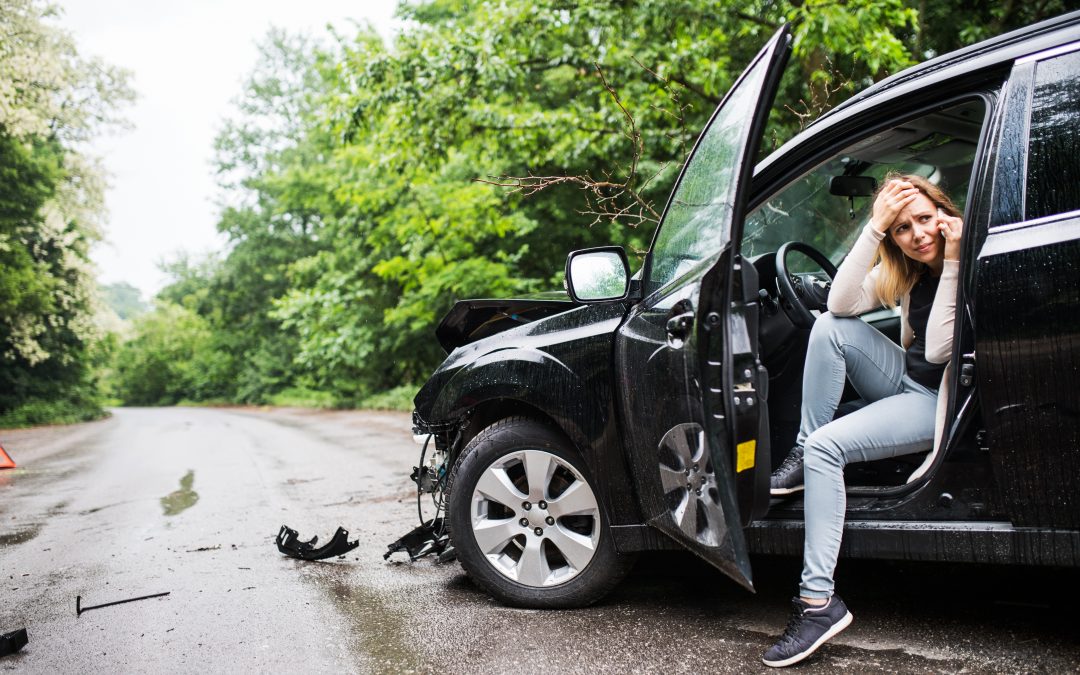
Oklahoma hit and run laws require drivers involved in crashes to stop, identify themselves, and help injured people. When the other driver flees, the injured person faces a different kind of claim, one that depends on identifying the driver, preserving available evidence, and understanding the insurance coverage that applies when the at-fault party disappears.
At Lloyd & Lloyd, we handle hit-and-run injury claims for people across the Tulsa area. In a hit-and-run case, we look at the criminal statute and the civil claim separately because the driver’s criminal exposure does not determine what insurance coverage or compensation is available to the injured person.
What Should You Do After an Oklahoma Hit-and-Run Crash?
Call 911, get medical attention, and preserve any information you have about the fleeing vehicle, including a description, plate number, and nearby camera locations. Report the crash to your insurer promptly. When applicable UM coverage exists, Oklahoma law provides a recovery path for bodily injuries caused by a hit-and-run driver.
Key Takeaways About Oklahoma Hit-and-Run Laws
- 47 O.S. §§ 10-102 through > 10-104 > require drivers involved in injury, death, or attended-vehicle > property-damage crashes to stop and provide identifying > information.
- Leaving after a property-damage-only crash is a misdemeanor. Leaving > the scene of an injury or fatal crash is a felony.
- Oklahoma UM coverage under 36 O.S. § > 3636 > applies to bodily injuries caused by hit-and-run drivers when the > injured person carries applicable UM coverage.
- An injured person has no legal duty to chase or independently > identify the fleeing driver. Oklahoma places that obligation on > the driver who left.
- Physical contact with the unidentified vehicle is not required for > every Oklahoma UM hit-and-run claim.
What Should You Do After a Hit and Run in Oklahoma?
Call 911 and report that the other driver left the scene. That call creates an official record of the crash and begins the law enforcement investigation.
After reporting the crash, focus on medical care and preserving whatever information you already have. Children involved in a crash need medical attention based on their symptoms and the severity of the collision, and child injuries in car accidents raise additional safety and documentation issues.
The practical steps in the first hour include:
- Get medical attention for yourself and any passengers
- Write down everything you remember about the fleeing vehicle: color, > make, model, direction of travel, and any portion of the plate > number
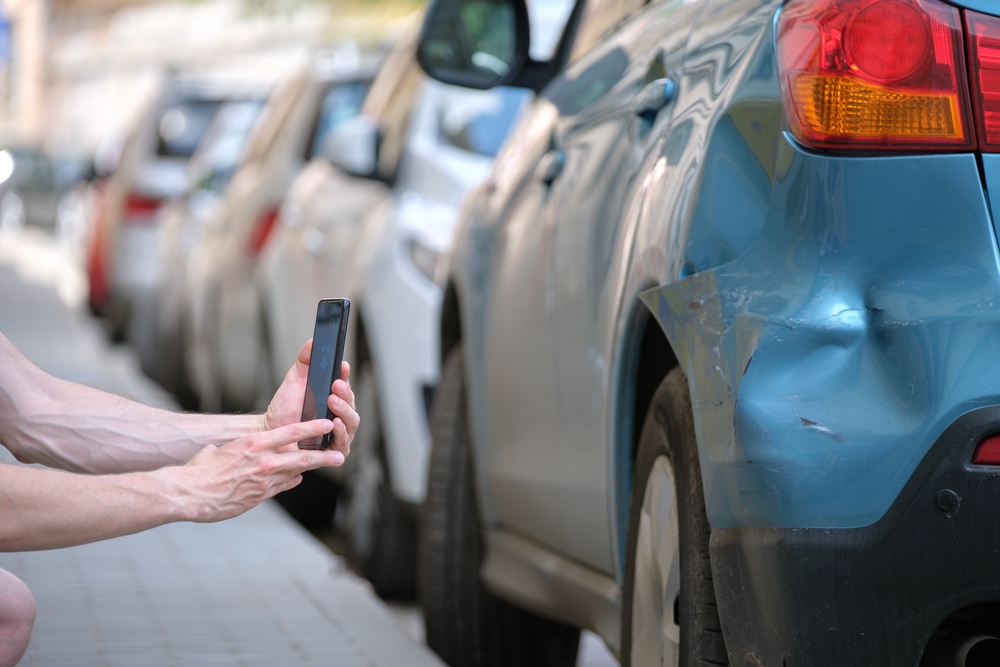
- Photograph your vehicle damage, debris on the road, and the > surrounding area
- Identify nearby businesses or traffic cameras that may have recorded > the crash and get contact information from any witnesses
- Request the police incident or report number before leaving the > scene
Do not chase the fleeing vehicle. The Oklahoma Supreme Court held in Brown v. United Services Automobile Association that the identification obligation belongs to the driver who left, not the innocent victim.
Notify your own auto insurer promptly. Review your policy’s notice and cooperation requirements. The exact reporting deadline depends on the policy language, not a single statewide rule.
The same early documentation steps matter in other Oklahoma car crash claims, especially when video or witness evidence disappears quickly.
What Does Oklahoma Law Require a Driver to Do After a Crash?
A driver involved in an Oklahoma crash cannot leave. The driver must stop, exchange identifying information, and help an injured person get medical care when it is obviously necessary or requested. The criminal consequences increase based on the harm the crash caused.
What Happens When the Crash Causes an Injury?
When a crash causes a nonfatal injury, 47 O.S. § 10-102 requires the driver to stop and remain until the driver has exchanged the required information and helped anyone who needs medical care. Willfully leaving to avoid detection or prosecution is a Class B5 felony.
Penalties include 10 days to 2 years of imprisonment, a fine of $50 to $1,000, or both. A conviction also triggers license revocation.
What Happens When the Crash Causes a Death?
When the crash results in a death, leaving the scene is a Class B4 felony under 47 O.S. § 10-102.1. Penalties include 1 to 10 years of imprisonment, a fine of $1,000 to $10,000, or both. The driver’s license is also subject to revocation after conviction.
What About Property-Damage-Only Crashes?
If the crash only damages a vehicle that someone is driving or attending, leaving the scene is a misdemeanor under 47 O.S. § 10-103. Penalties include up to one year in county jail, a fine of up to $500, or both.
Section 10-103 also allows a civil claim for three times the property damage when its requirements are met. That provision is separate from the criminal penalty.
Oklahoma increases the criminal consequences based on whether the crash caused only property damage, an injury, or a death.
| Crash result | Oklahoma provision | Criminal level | Current penalty |
|---|---|---|---|
| Property damage only (attended vehicle) | 47 O.S. § 10-103 | Misdemeanor | Up to 1 year in county jail and/or up to $500 |
| Nonfatal injury | 47 O.S. § 10-102 | Class B5 felony | 10 days to 2 years and/or $50–$1,000 |
| Death | 47 O.S. § 10-102.1 | Class B4 felony | 1–10 years and/or $1,000–$10,000 |
Under 47 O.S. § 10-104, a driver who stops must provide their name, address, vehicle registration information, and driver’s license and proof of insurance when requested. The driver must also arrange reasonable medical help for an injured person when treatment is obviously necessary or requested.
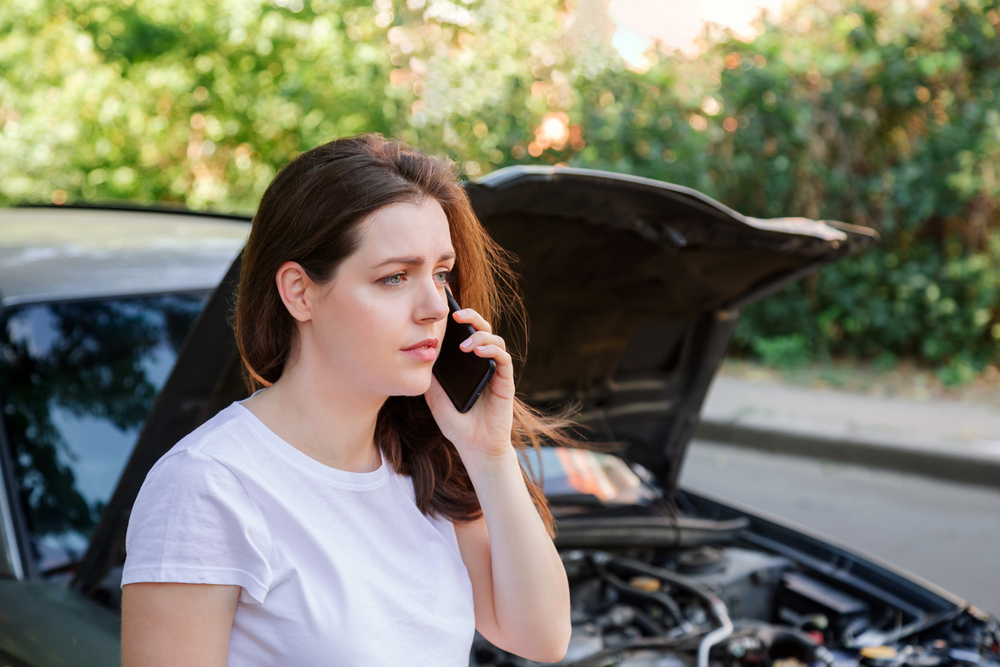
How Do You Recover Compensation if the Hit-and-Run Driver Is Never Found?
When applicable UM coverage exists, an unidentified hit-and-run driver does not prevent an injured person from pursuing a bodily-injury claim. Oklahoma uninsured motorist coverage under 36 O.S. § 3636 expressly includes hit-and-run vehicles in the required offer of UM protection.
The Oklahoma Insurance Department confirms that UM coverage pays for personal injuries caused by a hit-and-run driver. When the driver remains unidentified and applicable UM coverage exists, the injured person pursues covered bodily-injury damages through that policy.
An insurer reviewing an uninsured motorist hit and run claim looks at whether the evidence supports the reported version of events. We strengthen a UM claim by documenting the consistency between the initial 911 report and the later account, gathering witness statements, preserving video and photographs, and confirming that the insurer received prompt notice under the policy’s terms.
Does UM Cover Vehicle Damage Too?
Oklahoma UM coverage addresses bodily injury, not damage to the vehicle. Collision coverage is the relevant first-party coverage for the vehicle itself. That distinction matters because many people assume UM pays for everything after a hit and run.
What About Medical Payments Coverage?
Medical payments coverage, or MedPay, pays certain medical expenses regardless of who caused the crash. It is optional coverage.
MedPay addresses covered medical expenses while UM addresses bodily-injury damages caused by the unidentified negligent driver. The available benefits depend on the policy.
Applicable UM coverage also matters when the at-fault driver has no insurance, even when the driver’s identity is known.
If you are unsure what coverage applies to your hit-and-run crash, call Lloyd & Lloyd at 918-246-0200 for a free case evaluation.
Does a Hit-and-Run UM Claim Require Physical Contact?
Oklahoma does not require physical contact with the unidentified vehicle in every hit-and-run UM claim. In Biggs v. State Farm Mutual Automobile Insurance Co., the Oklahoma Supreme Court rejected an insurance-policy requirement that the hit-and-run vehicle physically contact the insured vehicle.
A phantom vehicle, an unidentified vehicle that causes a crash and leaves before the driver is identified, does not have to strike the insured car for UM coverage to apply. A vehicle that forces a driver off the road without touching the insured car still falls within the scope of the UM statute.
The injured person still needs evidence showing that an unidentified driver’s negligence caused the crash and injuries. That evidence may include:
- Witness accounts describing the phantom vehicle’s conduct
- Traffic-camera, business, or residential surveillance footage
- A contemporaneous 911 call describing the vehicle
- Road evidence such as tire marks, debris, or vehicle positioning
- Dashcam recordings from any vehicle involved
Each piece of evidence helps answer the insurer’s core questions: was another vehicle actually involved, did that vehicle act negligently, and did its movement cause this crash?
How Do Police and Attorneys Identify a Hit-and-Run Driver?
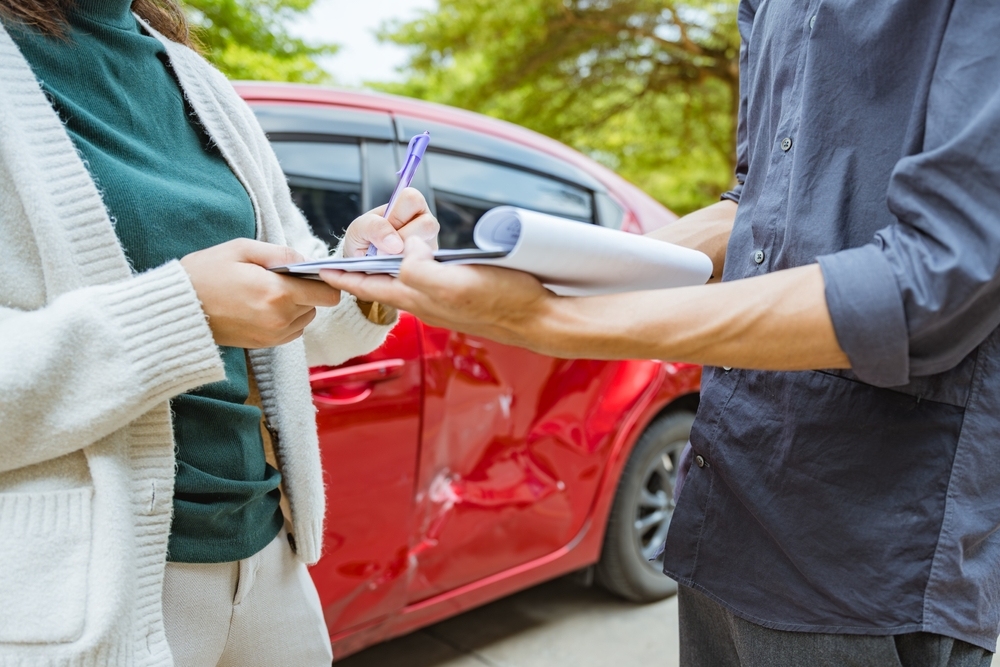
Investigators use a combination of physical evidence from the scene, electronic records, and video to build a picture of the fleeing vehicle and driver. Sources that help identify a hit-and-run driver include:
- Partial or complete license plate information combined with vehicle > description
- Available surveillance footage from traffic cameras, businesses, or > residences near the crash
- Dashcam recordings from nearby vehicles
- Vehicle debris and paint transfer left at the scene
- 911 calls from other drivers who witnessed the vehicle fleeing
Not every lead produces an identification. But a partial plate combined with the vehicle’s make, model, and color narrows the search significantly.
Business and residential surveillance footage has practical retention limits. Some systems overwrite footage within days. Identifying likely camera sources early and requesting preservation gives investigators a better chance to obtain the recording before it disappears.
Investigators sometimes follow repair-related leads after identifying the likely damage pattern of the fleeing vehicle. A body shop, tow company, or insurance claim on the other vehicle may surface information connecting the vehicle to the crash.
What if the Vehicle Is Identified but the Driver Is Not?
Finding the car is not always the same as identifying the person who caused the crash. The Oklahoma Supreme Court held in Brown v. USAA that a vehicle does not stop being a hit-and-run vehicle for UM purposes merely because its owner is later identified while the actual driver remains unknown.
That distinction matters when the registered owner denies driving at the time of the crash. The UM claim path remains available when the negligent driver is still unidentified, regardless of whether the vehicle itself is found.
FAQs for Oklahoma Hit-and-Run Crashes
Is hit and run a felony in Oklahoma?
Yes, when the crash involves an injury or death. Leaving the scene of a nonfatal injury crash is a Class B5 felony under 47 O.S. § 10-102. Leaving a fatal crash is a Class B4 felony under § 10-102.1. Leaving a property-damage-only attended-vehicle crash is a misdemeanor.
How long do prosecutors have to charge an Oklahoma hit-and-run?
Oklahoma generally gives prosecutors three years to begin a leaving-the-scene prosecution when no special deadline applies. Tolling rules or other applicable charges may change the calculation. The criminal charging deadline is separate from the injured person’s civil filing deadline.
What happens if police identify the hit-and-run driver after I file a UM claim?
The identification changes the available claim paths. When the at-fault driver is found and carries liability insurance, the injured person pursues a claim against that driver’s policy directly. The UM claim resolves based on the coverage terms and the timing of the identification.
Can a passenger make a claim after an Oklahoma hit-and-run crash?
Yes. An injured passenger pursues a claim against the person whose negligence caused the collision. When the driver remains unidentified, the passenger’s own UM coverage or the host vehicle’s UM coverage may apply, depending on the policies involved.
What if the fleeing driver caused a chain-reaction crash without hitting my vehicle directly?
A driver who causes a multi-vehicle crash and leaves the scene does not need to have struck every affected vehicle. The question is whether the fleeing driver’s negligence caused the chain reaction and the resulting injuries. Available evidence, including witness accounts, video, and vehicle damage patterns, helps establish the connection.
Talk to Lloyd & Lloyd About Your Hit-and-Run Claim
When the other driver leaves, the path to compensation looks different, but it is not closed. We identify available coverage, preserve evidence of the fleeing vehicle, and build the claim around what the crash evidence shows.
Call 918-246-0200 for a free case evaluation.