
Sand Springs Motorcycle Accident Lawyer
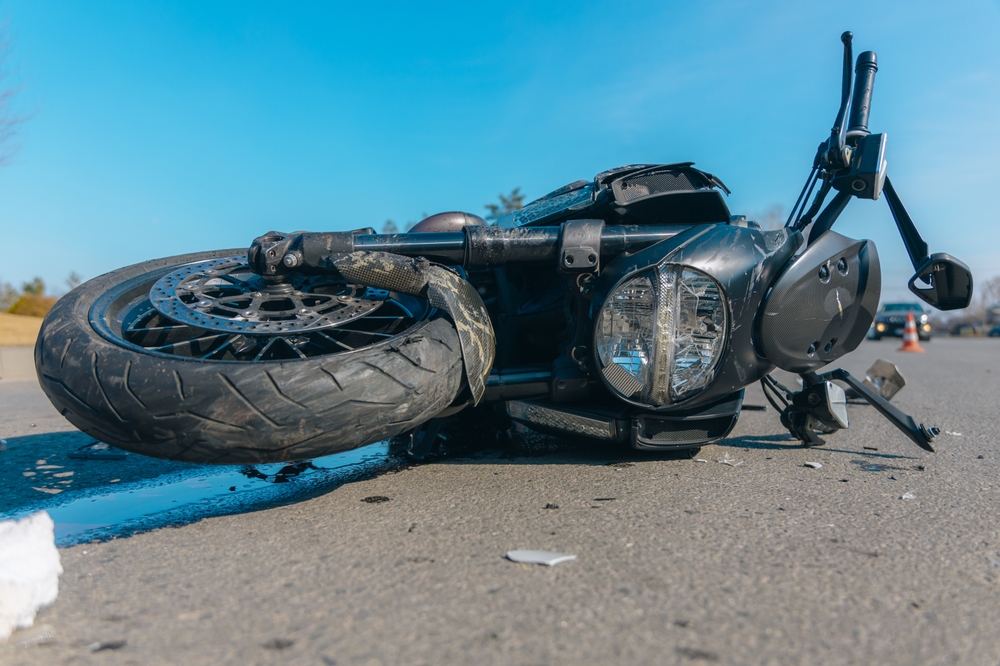
A motorcycle crash claim often turns into an argument about what the rider did rather than what the other driver did. A Sand Springs motorcycle accident lawyer at Lloyd & Lloyd investigates the physical evidence behind those competing fault claims rather than accepting assumptions about rider conduct.
Lloyd & Lloyd’s office is at 200 N Roosevelt Avenue in Sand Springs, OK 74063. We represent riders and their families throughout Sand Springs and the broader Tulsa area. If you were hit while riding your motorcycle in Oklahoma and the other driver or their insurer is disputing fault, call 918-246-0200 for a free case evaluation.
What Makes Motorcycle Fault Disputes Different?
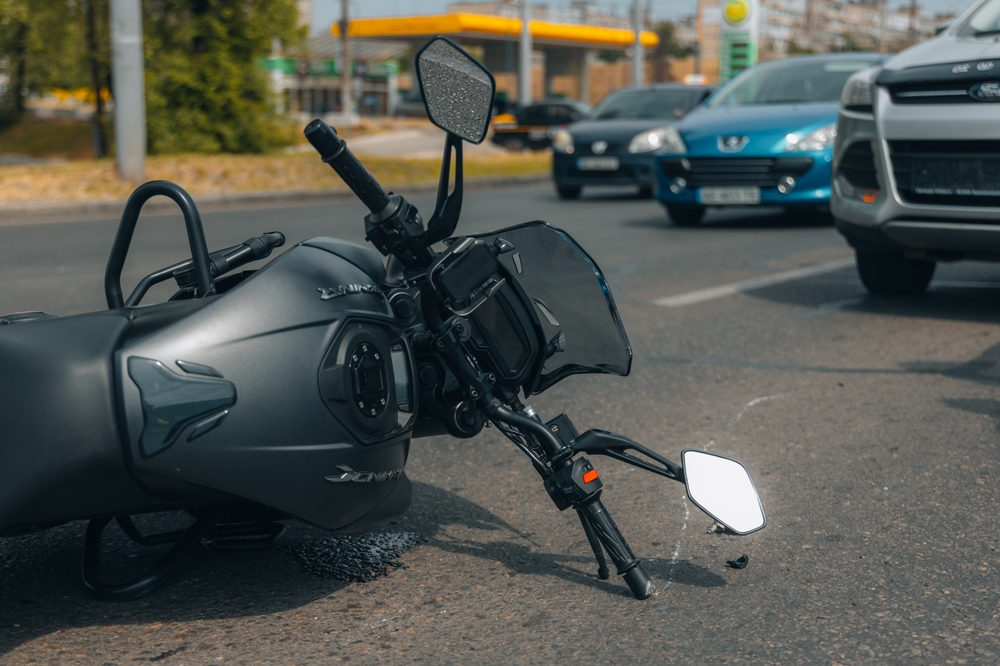 A motorcycle claim can quickly turn into arguments that the rider was speeding, weaving, following too closely, or difficult to see. Those allegations need to be tested against the physical evidence rather than accepted because the injured person was riding a motorcycle.
The difference between an allegation about rider conduct and proof of rider fault matters throughout an Oklahoma motorcycle accident claim. Saying “the rider was speeding” is not the same as proving it. Saying “I never saw the motorcycle” does not resolve whether the driver used reasonable care before turning, merging, or changing lanes.
When you work with a motorcycle accident attorney in Sand Springs, OK, at Lloyd & Lloyd, we trace the physical evidence back to what each driver actually did in the seconds before the collision.
What Physical Evidence Helps Reconstruct a Motorcycle Crash?
A motorcycle collision often leaves evidence that helps test competing versions of events. Crash reconstruction uses scene and vehicle evidence such as impact marks, debris, vehicle damage, roadway features, photographs, and witness accounts to understand crash dynamics.
The following physical evidence, when available, helps answer disputed fault questions:
| Fault Dispute | Evidence That May Help Answer It |
|---|---|
| “The rider was speeding” | Scene evidence, video, vehicle data when available, damage patterns, reconstruction |
| “I never saw the motorcycle” | Sight lines, lighting, vehicle position, witnesses, video |
| “The rider changed lanes” | Damage location, lane markings, video, witness accounts |
| “The rider caused the impact” | Point of impact, debris, vehicle damage, final resting positions |
No single item automatically proves fault. The value of physical evidence is that it provides something more objective than competing driver statements.
How Does Vehicle Damage Help Determine Fault?
Damage placement on both vehicles can help show where contact occurred and provide evidence about the angle and relative position at impact. Different collision sequences can produce different damage patterns. Photographs taken before vehicles are moved or repaired preserve that evidence.
Damage patterns do not function as standalone proof of speed or fault. Their value increases when compared with roadway marks, debris locations, final vehicle positions, photographs, video, and other scene evidence.
If the motorcycle is repaired or disposed of before inspection, photographs, insurance inspection records, repair estimates, and body-shop documentation may preserve useful information about where contact occurred. Reconstruction considers these sources together rather than treating one damaged component as conclusive.
When Is Crash Reconstruction Useful?
When speed, lane position, movement, or impact sequence is disputed, crash-reconstruction analysis can help interpret the physical evidence. Reconstruction is not necessary in every motorcycle case, but it provides a structured method for answering questions that witness statements alone may not resolve.
Preserving the motorcycle, photographs, available video, witness information, and other crash evidence matters when fault is disputed. Vehicles get repaired. Roadway marks change. Debris is removed. Surveillance footage can be overwritten. Acting early to identify and preserve that evidence strengthens the foundation for the claim.
Call 918-246-0200 for a free case evaluation to discuss what evidence exists and how it affects the fault dispute.
How Do Common Motorcycle Crash Scenarios Create Fault Disputes?
 The type of collision affects what evidence matters most. Different crash scenarios produce different damage patterns, different witness perspectives, and different arguments about what each driver did.
Left-Turn Conflicts
A driver turning left across a motorcycle’s path may claim they never saw the rider or believed they had time to complete the turn. Evidence including sight distance, signal timing, witness accounts, vehicle damage, impact location, and video helps determine whether the turning driver failed to yield or whether other factors contributed.
Lane Changes and Merges
Lane-change disputes raise questions about where both vehicles were positioned before contact. Damage placement, lane markings, signal use, and available video help show whether the other driver moved into the motorcycle’s established lane or whether the rider was changing position.
Intersection Collisions
Intersections produce disputes about traffic signals, right of way, speed, and vehicle position. Witnesses may disagree about the light color or which vehicle entered the intersection first. Physical evidence and signal-timing information can help resolve those conflicts.
Does a Police Report Decide Fault in an Oklahoma Motorcycle Crash?
A police report can help document early accounts of the crash, witness information, and the officer’s observations at the scene. Those details can be useful when the drivers later disagree about speed, lane position, or who had the right of way.
The responding officer’s report or traffic citation does not by itself decide civil fault. A citation issued to the other driver is part of the evidence. It does not automatically establish negligence. A citation issued to the rider does not mean the rider caused the crash. The civil claim still turns on the complete evidence.
This distinction matters because the page’s central question is always the same: what does the physical evidence show each driver actually did?
How Does Oklahoma Comparative Negligence Affect a Motorcycle Claim?
Being accused of contributing to a motorcycle crash does not automatically end an Oklahoma claim. Under 23 O.S. § 13, an injured person’s negligence bars recovery only when it exceeds the combined negligence of those who caused the harm. Under 23 O.S. § 14, recoverable damages are reduced in proportion to the injured person’s own share of negligence.
In a motorcycle crash, comparative-negligence arguments typically involve disputed speed, lane position, passing, following distance, visibility, or turn movements. Each of those allegations is a factual claim that the evidence either supports or does not.
The evidence determines whether the rider shares fault and, if so, how Oklahoma’s comparative-negligence rules affect recovery. An allegation alone does not establish the rider’s percentage of responsibility.
Does Helmet Use Affect a Motorcycle Crash Claim?
Current 47 O.S. § 12-609(B), Oklahoma’s motorcycle helmet law, requires a qualifying crash helmet for motorcycle operators and passengers under 18.
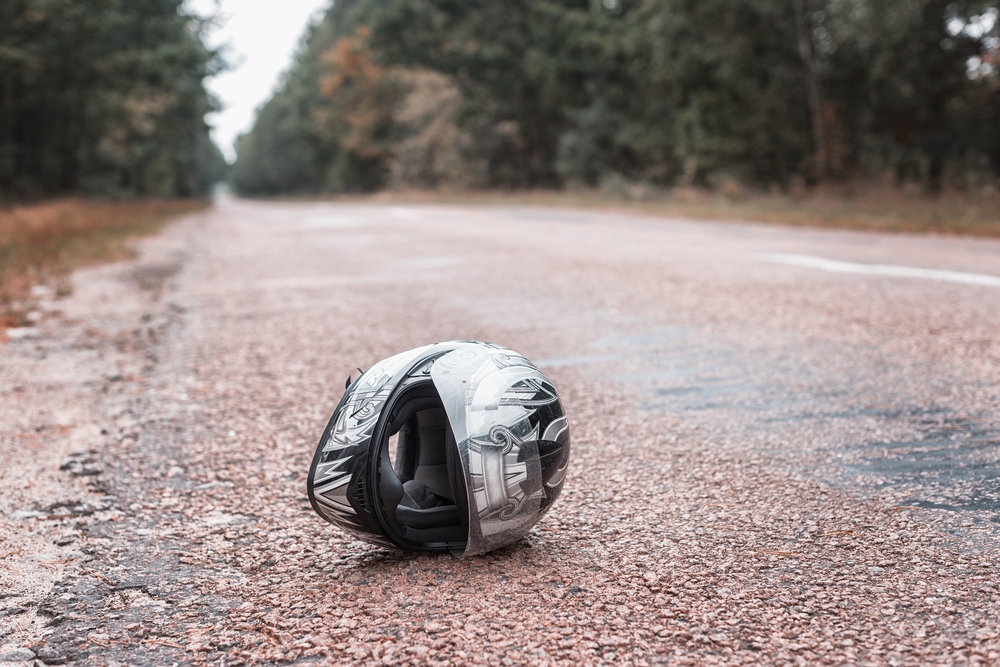
Helmet use does not determine who caused the vehicle collision. Whether a driver failed to yield, changed lanes into the motorcycle’s path, rear-ended the rider, or crossed the rider’s lane is entirely separate from whether the rider wore a helmet. Those are different factual questions.
When a head injury is part of the claim, arguments about helmet use and injury causation can raise separate legal and medical issues that depend on the facts.
What Injuries Does a Motorcycle Crash Claim Address?
Unlike occupants of an enclosed passenger vehicle, motorcycle riders do not have a surrounding vehicle structure absorbing part of the impact. A collision can produce significant injuries even when the vehicles themselves show very different levels of damage.
Medically documented injuries in a motorcycle claim may include:
- Fractures and other orthopedic injuries to the shoulder, arm, hand, hip, leg, knee, or foot
- Abrasions and soft-tissue injuries from road contact
- Head or brain injuries
- Spinal injuries
- Internal injuries
The medical record must connect each claimed injury to the collision and document how it affects movement, work, treatment, and daily function. That evidence becomes especially important when orthopedic injuries require rehabilitation or when lasting restrictions affect the rider’s ability to perform the same job duties.
A Tulsa motorcycle accident lawyer at Lloyd & Lloyd applies the same evidence-based approach to motorcycle claims throughout the broader Tulsa market.
Why Does the Sand Springs Location Matter?
Lloyd & Lloyd’s only office is in Sand Springs. US-412/Sand Springs Expressway runs through Sand Springs and continues west toward the Keystone Lake area. These roads carry mixed traffic, including motorcycles, passenger vehicles, and commercial trucks, and collisions along this corridor involve the same fault disputes that are common in these cases.
For collisions along this corridor, location-specific evidence can include lane configuration, entrance and exit ramps, sight lines, traffic controls, roadway photographs, and video from nearby properties, when available.
Those details matter because a dispute about speed, merging, or lane position has to be evaluated against the actual roadway where the collision occurred, not a generic description of motorcycle behavior.
For riders searching for a motorcycle crash lawyer near Sand Springs, Lloyd & Lloyd’s office is located in Sand Springs itself. We know the local roads, and we focus each investigation on the physical evidence the specific crash produced.
Most ordinary Oklahoma negligence claims involving personal injury fall under the two-year period in 12 O.S. § 95(A)(3). The two-year period usually begins when the injury occurs. Claims involving government entities or other special circumstances can involve different timing rules.
What Evidence Matters Most When Someone Is Injured in a Motorcycle Crash?
The strongest motorcycle claims connect physical evidence to the fault dispute early. When someone is injured in a motorcycle crash, the investigation begins with what the scene, the vehicles, and the available records show about the seconds before impact.
Evidence that strengthens an Oklahoma motorcycle accident claim includes:
- Photographs of vehicle and motorcycle damage before repair
- Scene photographs showing debris, marks, lane positions, and traffic controls
- Surveillance or dashcam video from nearby businesses or other vehicles
- Witness contact information and statements gathered while memories are fresh
- Police documentation, including the report, citations, diagrams, and photographs
Each item helps answer a specific fault question. Motorcycle damage shows where and how contact occurred. Scene evidence shows where the vehicles were traveling. Video can resolve disputes about signals, speed, and lane position that witness statements alone may not settle.
FAQs for Sand Springs Motorcycle Accident Claims
Do I need a lawyer if the other driver admits fault?
An admission is useful evidence, but it does not resolve every issue in the claim. The other driver’s insurer may still dispute injury causation, the extent of damages, or raise comparative-fault arguments that develop later. An admission also does not bind the insurance company to a specific settlement amount.
Can damage to riding gear or motorcycle equipment be part of the claim?
Yes. Documented crash-related property losses, including the motorcycle itself, helmets, protective clothing, and other equipment, are evaluated separately from bodily injury damages. Ownership, replacement cost, and evidence connecting the damage to the collision affect that portion of the claim.
What if the other driver changed their story after the crash?
Changing accounts are one reason physical evidence matters. Photographs, contemporaneous statements, witness accounts, police documentation, video, and damage patterns provide reference points that do not shift with later recollections. Preserving that evidence early helps address inconsistencies.
Can a passenger on the motorcycle have a separate injury claim?
Yes. A passenger’s claim depends on who caused the collision and the evidence regarding each responsible party’s conduct. The passenger’s claim is independent of any fault dispute involving the rider.
What if there is no traffic-camera video of the crash?
A claim does not require traffic-camera footage. Vehicle damage, roadway evidence, witness statements, photographs, police documentation, and private surveillance from nearby businesses or residences may all be available. The absence of one type of evidence does not end the investigation.
What if my motorcycle was repaired or totaled before an attorney reviewed it?
Vehicle damage is one source of evidence, but it is not the only one. Photographs taken before repair, insurance inspection reports, body-shop records, and repair estimates may preserve information about damage location and severity even after the motorcycle itself is no longer available.
Taking the Next Step After a Motorcycle Crash
A motorcycle crash claim depends on evidence, not assumptions. At Lloyd & Lloyd, we investigate the physical evidence, evaluate who caused the collision, and document the injuries and losses the crash created.
Our office is at 200 N Roosevelt Avenue in Sand Springs, OK 74063. We represent riders throughout Sand Springs and the Tulsa area. Call 918-246-0200 for a free case evaluation to discuss the crash evidence, the fault dispute, and what the claim involves.
GET THE EXPERIENCE YOU NEED FOR YOUR CASE
If you have been injured due to the fault of others, contact Lloyd & Lloyd. Our record of success in the courtroom and in the courts of appeal, combined with our commitment to giving personal service, enable us to provide exceptional legal representation. You can fill out an online case review form by clicking here, or by calling us at (918) 246-0200.