
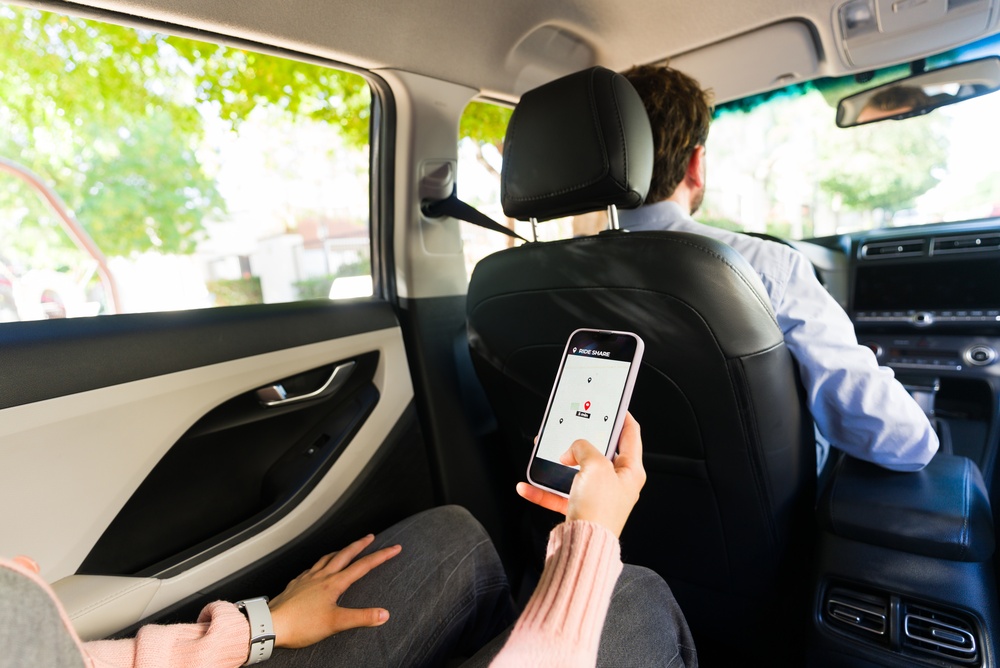
Tulsa Rideshare Accident Lawyer
You were hurt in a ride that was supposed to be simple, and now three different insurance policies seem to point at each other. Lloyd & Lloyd is a trusted Tulsa rideshare accident lawyer helping passengers, other drivers, and rideshare drivers injured in Uber and Lyft crashes sort out which coverage applies and pursue it.
The single most important fact in an Uber or Lyft claim is what the driver was doing in the app when the crash happened. We find that answer early and build the claim around it. Call 918-246-0200 for a free case evaluation.
Which Insurance Pays After an Uber or Lyft Crash in Tulsa?
The policy that pays depends on the driver’s app status at the moment of impact. Oklahoma’s Transportation Network Company Services Act sets different minimum coverage for a driver who is logged in and waiting and for a driver engaged in a prearranged ride. When the app is off, the driver is just another motorist with a personal auto policy.
The coverage required while a driver is logged in or on a trip may come from the driver’s own insurance, the rideshare company’s insurance, or a combination, under 47 O.S. § 1025. Here is how the three periods compare:
| Driver’s app status | Minimum liability coverage | Where the coverage usually comes from |
|---|---|---|
| App off | $25,000 per person, $50,000 per crash, $25,000 property damage | The driver’s personal auto policy |
| Logged in and available; no ride accepted | $50,000 per person, $100,000 per incident, $25,000 property damage, plus uninsured motorist coverage unless waived | The driver’s policy, the rideshare company’s policy, or both |
| Engaged in a prearranged ride | $1,000,000 for death, bodily injury, and property damage, plus uninsured motorist coverage unless waived | Usually the rideshare company’s commercial policy |
These are minimums, and the policies in a given case may carry higher limits. The app-off figures match the 25/50/25 minimum the Oklahoma Insurance Department lists for every Oklahoma driver.
Example 1: The App Was Off
A Lyft driver finishes a shift, closes the app, and rear-ends you on the drive home. The rideshare company’s policies don’t apply, so your claim runs against the driver’s personal auto insurance like any other crash. If your losses exceed that policy, your own uninsured or underinsured motorist coverage may help close the gap.
Example 2: Logged In and Waiting for a Request
An Uber driver is parked with the app open, pulls into traffic to reposition, and strikes your car. No ride has been accepted, so the logged-in tier applies, with at least $50,000 per person available. Proving the login time matters here, because the driver’s personal insurer may exclude coverage while the app is on.
Example 3: On the Way to a Pickup or Carrying a Passenger
A driver accepts a ride, runs a red light on the way to the rider, and hits you. Once the driver is engaged in a prearranged ride, the $1 million tier applies. Oklahoma defines a prearranged ride as starting when the driver accepts a ride request and ending when the last rider leaves the vehicle, which is why the exact timestamps in the app records often decide the value of a serious claim.
How Your Role in the Crash Shapes the Claim
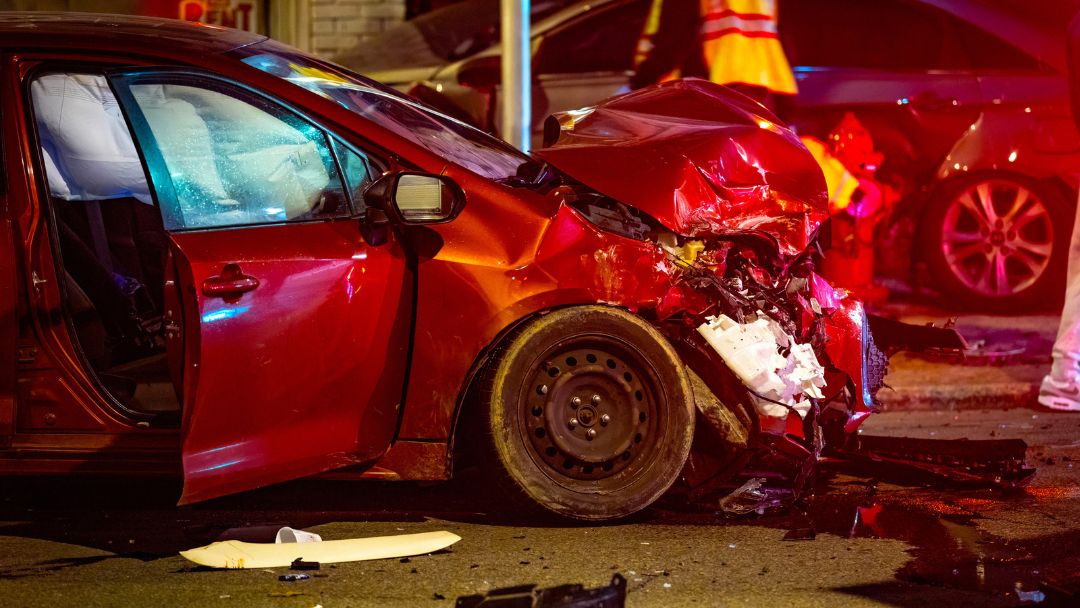
Your path to compensation depends on where you were when the crash happened. A passenger, a driver in another car, someone outside a vehicle, and the rideshare driver may each turn to a different policy for the same collision.
You Were the Passenger
Passengers rarely share fault, which keeps the focus on which driver caused the crash. If the rideshare driver and another motorist were both careless, Oklahoma’s several liability rule means each one pays only the share of damages assigned to them. That makes it important to bring claims against every at-fault driver rather than only the one whose insurer calls first.
You Were Driving Another Vehicle
When a rideshare driver hits your car, your claim follows the coverage tied to the driver’s app status. Oklahoma uses modified comparative negligence, so the insurer may argue you share some blame. You still recover as long as your share isn’t greater than the other driver’s, though the award shrinks by your percentage.
You Were on a Bike or on Foot
A cyclist or pedestrian struck by an Uber or Lyft driver has access to the same coverage tiers as another motorist. Pickups and drop-offs create a lot of these crashes, when drivers stop suddenly, swing to the curb, or let passengers open doors into traffic.
You Were the Rideshare Driver
A rideshare driver hurt by another motorist usually has a claim against that motorist’s liability insurance. Because drivers generally work as independent contractors rather than employees, the at-fault driver’s coverage and the driver’s own uninsured motorist coverage usually carry most of the weight.
Why Doesn’t Uber or Lyft Pay Like an Employer?
Rideshare companies set up their driver relationships to avoid the automatic liability an employer carries for an employee’s driving. Oklahoma law treats drivers as independent contractors when specific conditions are met. In practice, that shifts the claim toward the insurance the statute requires rather than toward the company itself.
Under 47 O.S. § 1030, drivers are independent contractors and not employees if all of these conditions hold:
- The company doesn’t prescribe specific hours the driver must be logged in.
- The company doesn’t restrict the driver from working for other rideshare platforms.
- The company doesn’t restrict the driver from any other occupation or business.
- The company and the driver agree in writing that the driver is an independent contractor.
For an injured person, this means the money in most claims comes from the required insurance, not from a lawsuit against Uber or Lyft as an employer. The statute also lets the company’s coverage step in at the first dollar when the driver’s own policy has lapsed or doesn’t provide what the law requires. That backstop matters, because a rideshare driver’s personal policy often excludes app-on driving.
When the Company Itself May Share Responsibility
Independent contractor status limits employer-style liability, but it doesn’t close every door. Facts about how a platform screened, approved, or kept a driver on the network may still matter in some cases, and we look at those facts before ruling anything out.
What Evidence Proves a Rideshare Driver’s App Status?
Trip records held by the rideshare company are the most important evidence in these claims. Oklahoma law requires the company and the insurers to share relevant information during a claim investigation, including the precise times the driver logged on and off in the 12 hours before and after the crash. Getting those records quickly keeps the coverage question from stalling the case.
Evidence we work to secure includes:
- In-app trip records, GPS data, and login and logout timestamps
- The driver’s ratings, complaint history, and time on the platform
- Dashcam footage, if the driver used one, along with nearby business video
- Your own screenshots of the ride receipt, driver name, vehicle, and route
- The police crash report, photos of the scene, and witness contact information
Much of this information sits on servers we don’t control. We send preservation requests early so the data is still there when the coverage question comes to a head.
What Losses Does a Rideshare Injury Claim Cover?
A rideshare injury claim in Oklahoma covers the same kinds of losses as any other car crash claim. The difference is that the higher coverage available during a trip often makes a full recovery more realistic when injuries are serious. Losses we document include:
- Emergency care, surgery, therapy, and future medical treatment
- Lost wages and reduced ability to earn in the future
- Pain, physical limitations, and the loss of activities you enjoyed
- Vehicle repair or replacement if you were in another car
- Rides, rentals, and other transportation costs while you recover
Passengers who rely on rideshare because they don’t own a car sometimes overlook that last item. We keep a running record of every category as treatment continues, so the demand reflects what the crash actually cost you rather than an early estimate.
How Long Do You Have to File a Rideshare Claim in Oklahoma?
Most Oklahoma personal injury lawsuits must be filed within two years of the crash. Exceptions may shorten or extend that window, and a claim involving a city or state vehicle requires written notice within one year. Insurance policies also require prompt notice, separate from the lawsuit deadline.
What to Do After an Uber or Lyft Crash in Tulsa
The steps you take in the first days after a rideshare crash protect both your health and the coverage question. Once you have medical care, these steps help most:
- Call 911 and ask for a police report, even if the driver suggests handling it through the app.
- Screenshot the trip in your app, including the driver’s name, vehicle, plate, and route.
- Report the crash through the Uber or Lyft app so a time-stamped record exists.
- Photograph the vehicles, the scene, and your injuries, and get contact details from witnesses.
- See a doctor promptly and keep every bill, record, and receipt.
- Talk with a lawyer before giving a recorded statement to any insurer other than your own.
Insurers on rideshare claims often move quickly to close the file. Following these steps keeps the record complete before an insurer settles on its own version of events.
Why Rideshare Passengers and Drivers Call Lloyd & Lloyd
Rideshare claims reward early, organized work on the coverage question, and that is where our attention goes first. Our attorneys, Jim Lloyd, Nancy Lloyd, and James (Buddy) Lloyd II, handle car crash claims for injured people in Sand Springs and across Tulsa.
What working with us looks like:
- Coverage traced from the start: We confirm the driver’s app status and identify every policy that may apply, including your own uninsured motorist coverage.
- One coordinated claim: We deal with the rideshare company’s insurer, the driver’s personal carrier, and any other driver’s insurer so no one stalls by pointing elsewhere.
- Local court knowledge: A lawsuit over a Tulsa crash is often filed in Tulsa County District Court, a short drive from our Sand Springs office.
- Records that reflect the full cost: We track your treatment, lost income, and transportation costs as your recovery continues.
Each rideshare claim depends on the coverage in play and the details of the crash, and we never promise a specific outcome. If you were hurt in an Uber or Lyft crash, call 918-246-0200 for a free case evaluation.
FAQs: Tulsa Rideshare Accidents
Do I file a claim against the Uber driver or against Uber itself?
In Oklahoma, a rideshare injury claim usually names the driver whose carelessness caused the crash, and the insurance Oklahoma requires for rideshare driving, which is often the rideshare company’s policy, pays it. The claim is typically opened with the insurer handling that coverage, and that insurer often defends the driver if a lawsuit is filed.
What if the rideshare driver was logged into Uber and Lyft at the same time?
Many Oklahoma rideshare drivers run both apps at once, and Oklahoma law doesn’t prohibit it. When that happens, records from both companies show which app had an accepted ride at the moment of the crash, which decides which company’s higher coverage applies.
Do I have to give a recorded statement to Uber's or Lyft's insurance adjuster?
You generally have no obligation to give a recorded statement to the insurer for the rideshare company or the at-fault driver in Oklahoma. Those statements are used to look for inconsistencies, so it’s wise to get legal advice first. Your own insurer is different, because your policy may require you to cooperate with it.
Does not wearing a seatbelt in an Uber hurt my claim?
Not wearing a seatbelt doesn’t by itself bar a rideshare injury claim in Oklahoma, but it may affect the amount. Oklahoma allows evidence of seat belt use or nonuse in civil lawsuits, except when the injured person is a child under 16, so an insurer may argue that a missing belt made the injuries worse. How much weight that argument carries depends on the injuries and the crash.
What if an Uber Eats or DoorDash delivery driver hit me?
Oklahoma’s rideshare coverage tiers are written for prearranged rides that carry passengers, so a delivery-only trip may fall under different insurance. Depending on the facts, the delivery company’s policy, the driver’s personal policy, and your own uninsured motorist coverage may all come into play.
Get the Coverage Question Answered
You took a ride or shared the road with one, and now several insurers are deciding what your injuries are worth. The answer to who pays usually sits in records the rideshare company controls, and those records are easier to get early.
Lloyd & Lloyd identifies every policy in play and presses the claim while you focus on getting better. Whether you need a Tulsa Uber accident lawyer or help after a Lyft crash, call 918-246-0200 for a free case evaluation.
GET THE EXPERIENCE YOU NEED FOR YOUR CASE
If you have been injured due to the fault of others, contact Lloyd & Lloyd. Our record of success in the courtroom and in the courts of appeal, combined with our commitment to giving personal service, enable us to provide exceptional legal representation. You can fill out an online case review form by clicking here, or by calling us at (918) 246-0200.