
Tulsa Brain Injury Lawyer
A traumatic brain injury affects memory, concentration, behavior, and daily life even when an emergency CT shows no obvious brain damage. That gap between what imaging reveals and what the injured person actually experiences makes a brain injury claim harder to document.
A Tulsa brain injury lawyer at Lloyd & Lloyd evaluates both the medical evidence and the real-world functional changes needed to support those losses. We represent people with serious injuries throughout the Tulsa area from our office in Sand Springs, Oklahoma. Call 918-246-0200 for a free case evaluation.
What Is a Traumatic Brain Injury Claim?
A brain injury alone does not create a legal claim. The injured person needs evidence connecting another party’s negligent conduct to the event, the event to the brain injury, and the injury to the claimed losses. Whether someone has a personal injury case depends on that chain of evidence.
Can You Have a Brain Injury With a Normal CT or MRI?
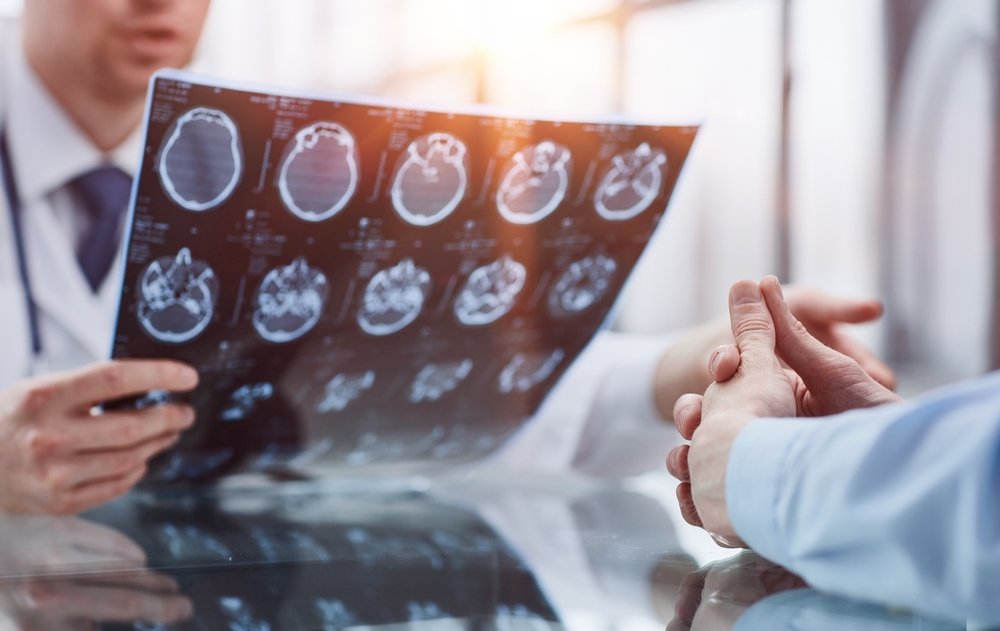
A normal CT or conventional MRI does not by itself rule out a mild traumatic brain injury or concussion. CT imaging is valuable for identifying acute structural problems such as bleeding, swelling, or skull fractures requiring urgent treatment. It is not a test that must show an abnormality before a provider diagnoses a concussion.
The CDC’s guidance on mild TBI and concussion explains that a brain scan is not needed to identify mild TBI or concussion, although imaging may be used when clinicians are concerned about bleeding or other acute injuries.
The National Institute of Neurological Disorders and Stroke (NINDS) also notes that currently validated imaging does not always detect damage from mild concussive injuries.
Mild TBI may occur without an abnormal finding on conventional imaging. That does not mean the injury is absent or insignificant. It means the evidence supporting the claim needs to come from a broader set of medical and functional records.
How Is a Brain Injury Documented When Imaging Is Normal?
When conventional imaging does not reveal structural damage, the legal and medical case depends on converging evidence from multiple sources rather than a single test.
What Medical Records Help Document a TBI?
Contemporaneous medical records form the foundation. Emergency department notes document the mechanism of injury. Follow-up provider assessments track reported symptoms at each visit. Referrals for further evaluation create a timeline showing the injury’s progression.
What Is Neuropsychological Testing?
Neuropsychological testing measures areas such as memory, attention, processing speed, executive function, and problem-solving. Executive function refers to the mental skills used to plan, organize, shift attention, and complete tasks.
When clinicians determine testing is appropriate, it provides one component of a larger medical and functional record. This testing is not a standalone diagnostic tool for TBI.
The VA/DoD clinical practice guideline for mild TBI advises against routine comprehensive neuropsychological testing during the first 30 days after mild TBI. Results are most useful when interpreted alongside treating-provider records and functional evidence.
How Do Before-and-After Observations Support a Claim?
Family members, coworkers, and friends often notice changes that medical records alone do not capture. The following types of observations help document how a person’s functioning changed after the injury:
- A spouse describes forgotten conversations, difficulty organizing routine tasks, increased irritability, or unusual fatigue not present before the accident
- A supervisor reports missed deadlines, slower processing, repeated mistakes, or the need for new workplace accommodations
- A coworker notices the person struggling with tasks they previously handled without difficulty
- A friend or family member observes withdrawal from social activities or hobbies
These observations do not replace medical diagnosis. Their role is to document the difference between baseline function and post-injury function, which is central to many brain injury claims.
Advanced techniques such as DTI and fMRI are not routine diagnostic proof of an individual mild TBI, and the American College of Radiology does not recommend them for routine head-trauma evaluation.
If you are trying to understand whether the medical and functional evidence supports a TBI claim, call 918-246-0200 for a free case evaluation.
What Do Mild, Moderate, and Severe TBI Mean?
The words “mild,” “moderate,” and “severe” describe clinical characteristics of the brain injury at or near the time of the event. The word “mild” does not mean the person’s ongoing symptoms are trivial.
Clinical severity describes the injury at a particular stage, but the label alone does not measure every long-term effect.
| Clinical Label | General Meaning | What It Does Not Tell You |
|---|---|---|
| Mild TBI / Concussion | Acute findings fall within the mild TBI range | It does not mean ongoing symptoms are trivial |
| Moderate TBI | More substantial acute neurological disruption | It does not predict the exact long-term functional outcome |
| Severe TBI | Major acute neurological injury | It does not determine every future ability or care need |
The CDC describes concussion as a type of mild TBI and notes that “mild” refers in part to the fact that these injuries are usually not life-threatening, while their effects may still be serious.
A concussion injury claim in Oklahoma depends on the actual symptoms, functional effects, medical evidence, and cause of the injury rather than the “mild” label alone. Moderate or severe TBI can involve longer alteration of consciousness, structural injury, hospitalization, or substantial functional limitations.
Is Every Head Injury a Brain Injury?
A head injury does not automatically mean the brain itself was injured. A person may sustain a scalp laceration, facial injury, or skull fracture without meeting the clinical criteria for traumatic brain injury.
The reverse is also true. TBI occurs from rapid movement of the brain inside the skull even without an obvious external wound. NINDS defines TBI as brain injury caused by an outside force, including a forceful bump, blow, or jolt to the head or body.
A head injury lawsuit in Oklahoma therefore needs medical evidence identifying which injuries actually resulted from the event. Not every blow to the head is a brain injury, and not every brain injury leaves a visible mark on the head.
How Does a TBI Affect Thinking, Emotions, and Daily Function?
Brain injuries affect different people in different ways and for different durations. The effects generally fall into three categories. Not every person with a TBI experiences all of them.
Cognitive effects include problems with memory, concentration, attention, processing speed, planning, and problem-solving. These changes often interfere most directly with work and daily routines.
Emotional and behavioral effects include irritability, mood changes, reduced frustration tolerance, and changes in impulse control. Anxiety or depression symptoms are relevant when medically documented, though TBI does not automatically cause a psychiatric disorder.
Physical effects include headache, dizziness, fatigue, balance problems, sensitivity to light or sound, and sleep changes.
NINDS recognizes cognitive, behavioral, sensory, sleep, balance, headache, and mood-related effects among possible TBI symptoms.
How Does a Brain Injury Affect Work and Relationships?
A person may physically return to a job while struggling with concentration, processing speed, multitasking, memory, and fatigue. Returning to work does not mean the injury resolved. It means the person showed up.
What Is the Difference Between Lost Wages and Lost Earning Capacity?
Lost wages represent income that has already been missed because of the injury. Lost earning capacity addresses a different question: whether lasting cognitive or functional limitations reduce the person’s ability to earn income in the future.
A TBI claim may involve both. Work records showing accommodations, reduced hours, performance changes, or reassigned duties help document the functional effects.
Family relationships are also affected when memory, communication, emotional regulation, or independence changes after a brain injury.
What Events Lead to Traumatic Brain Injuries?
NINDS identifies motor-vehicle crashes and falls among common causes of non-penetrating TBI.
Car and Commercial Truck Crashes
Vehicle crashes can expose the head and brain to rapid acceleration, deceleration, or impact forces. The brain moves inside the skull during a collision, and that movement may cause injury even when the head does not strike an object.
Motorcycle Crashes
Motorcycle crashes present elevated TBI risk because riders lack the structural protection of an enclosed vehicle. Even with a helmet, the forces involved in a motorcycle crash may cause the brain to move violently within the skull.
Falls and Dangerous Property Conditions
Falls can cause TBI through direct impact or rapid movement of the brain inside the skull on landing. Slip-and-fall incidents, unguarded elevation changes, and poorly maintained property conditions are common settings for these injuries.
What Damages Does a TBI Claim Include?
Oklahoma’s personal-injury jury instructions recognize several categories of damages when supported by the evidence. Brain injury claims raise specific issues beyond a typical accident case because the losses are often functional and long-term.
Damages supported by the evidence may include:
- Past and future physical pain
- Past and future mental pain and impairment
- Lost earnings and impairment of future earning capacity
- Necessary past and future medical care and rehabilitation
- Permanence and physical impairment affecting independence and daily activities
Each category requires its own supporting evidence. Brain injury claims often need documentation from multiple providers and functional sources to establish the full scope of the losses.
Future treatment needs in a TBI claim may include neurological follow-up, cognitive rehabilitation, occupational therapy, speech-language therapy, psychological treatment when medically supported, and medication. NINDS describes cognitive rehabilitation as one approach used to address persistent memory, problem-solving, and thinking difficulties after TBI.
Not every TBI patient needs all of these services. A Tulsa catastrophic injury lawyer evaluates lifetime losses when a TBI creates permanent limitations that affect work, independence, and daily function.
What If Similar Symptoms Existed Before the Injury?
A prior condition does not automatically answer whether the accident caused a new brain injury or worsened an existing problem. The practical question is what the person’s baseline looked like before the incident and what changed afterward.
The evidence may need to distinguish between preexisting issues and new post-injury changes. Common preexisting factors include:
- Baseline memory or attention issues
- Prior headaches or migraines
- Prior mental-health treatment
- Previous concussions
- Medication effects that overlap with TBI symptoms
A preexisting condition does not prevent recovery for additional harm caused by aggravation when the required causation is proven. Oklahoma law recognizes damages for aggravation of a preexisting condition when supported by the evidence. Medical records and before-and-after functional evidence help establish the distinction between old and new.
When Does a TBI Claim Need a Lawyer?
Most brain injury claims involve medical evidence that requires careful organization and interpretation. When we evaluate a claim as a traumatic brain injury attorney in Oklahoma, we separate the question of what caused the injury from the evidence showing its effects.
Brain injury claims involve medical records from multiple providers, functional evidence from daily life and work, and questions about whether imaging tells the full story. When you speak with a TBI lawyer in Tulsa at Lloyd & Lloyd, we examine both the medical record and the functional changes that followed the injury.
Oklahoma’s statute of limitations for most ordinary negligence claims involving personal injury is two years under 12 O.S. § 95(A)(3). The two-year period usually begins when the injury occurs, though special defendants or other circumstances may create different deadlines.
Call 918-246-0200 for a free case evaluation to discuss what medical documentation exists and what functional changes need to be recorded.
FAQs for Tulsa Brain Injury Claims
Can I have a TBI if I never lost consciousness?
Yes. Loss of consciousness is not required for a diagnosis of mild TBI or concussion. A provider evaluates the full clinical picture, including confusion, disorientation, memory gaps, and reported symptoms following the event.
What if concussion symptoms started or became noticeable after I left the emergency room?
Some mild TBI symptoms may appear or become noticeable hours or days after the injury. For a legal claim, prompt follow-up medical records documenting when symptoms were reported and how they developed strengthen the timeline connecting the injury to the event.
Can a child or teenager pursue a brain injury claim in Oklahoma?
Yes. A parent or legal guardian may bring a minor’s claim when another party’s negligence caused the injury. Special Oklahoma rules can affect a minor’s filing deadline, and the applicable timeline depends on the defendant and the type of claim.
What if I do not remember the accident itself?
Memory loss surrounding the event occurs with some brain injuries. That gap in personal memory does not prevent an investigation into liability through other evidence, such as witness statements, video, physical evidence, police reports, and medical records.
Can a family member describe personality or behavior changes as evidence?
Yes. Observations from family members, coworkers, and friends help document differences in day-to-day functioning before and after the injury. These observations supplement medical records rather than replacing medical diagnosis.
Does returning to work mean I no longer have a brain injury claim?
No. Returning to employment does not mean cognitive or functional limitations disappeared. The relevant question is whether documented limitations affect performance, hours, duties, advancement, or earning capacity despite the person’s physical presence at work.
Your Next Step After a Brain Injury
When a TBI leaves you dealing with memory problems, difficulty concentrating, emotional changes, or trouble keeping up at work, the legal question centers on whether the evidence documents those losses. It also depends on connecting them to someone else’s negligence.
At Lloyd & Lloyd, we review the medical records, examine the functional evidence, and help you understand what options may be available. We represent people with brain injuries throughout the Tulsa area from our office in Sand Springs, Oklahoma.
Call 918-246-0200 for a free case evaluation to discuss what changed after the injury and what evidence may support the long-term effects of the TBI.
GET THE EXPERIENCE YOU NEED FOR YOUR CASE
If you have been injured due to the fault of others, contact Lloyd & Lloyd. Our record of success in the courtroom and in the courts of appeal, combined with our commitment to giving personal service, enable us to provide exceptional legal representation. You can fill out an online case review form by clicking here, or by calling us at (918) 246-0200.