

Tulsa Amputation and Limb Loss Lawyer
Losing a limb changes how a person works, moves through their home, and handles tasks that once required no thought at all. A Tulsa amputation injury lawyer at Lloyd & Lloyd focuses on the long-term picture: future prosthetic needs, earning limitations, rehabilitation, and the medical evidence connecting the limb loss to the event that caused it.
We represent people with serious injuries throughout the Tulsa area from our office in Sand Springs, Oklahoma. A loss of limb injury claim in Oklahoma can involve long-term damages extending far beyond the initial surgery. Call 918-246-0200 for a free case evaluation.
Does It Matter Whether the Limb Was Lost During the Accident or Removed Later?
The timing of limb loss affects how the medical evidence must connect the amputation to the original event. The distinction between traumatic amputation and later surgical amputation is one of the first questions we examine when evaluating a claim.
| Type of Limb Loss | What Happened | Main Claim Question |
|---|---|---|
| Traumatic amputation | Limb or body part is lost during the accident itself | What caused the event and who was legally responsible? |
| Later surgical amputation | Limb remains after the event but is later surgically removed | Does the medical evidence connect the later amputation to the original injury? |
A traumatic amputation occurs when the limb is lost because of the accident itself. The connection between the event and the limb loss is often immediately apparent from the medical and incident evidence.
A surgical amputation after trauma is different. The limb remains attached after the incident but later must be removed because the injury is too severe to preserve it or because complications make amputation medically necessary. Severe trauma is among the recognized reasons surgical amputation becomes necessary.
When amputation happens weeks or months after the original injury, the claim needs medical records showing the full sequence. That means documenting the initial tissue, bone, or vascular damage, the treatment attempts to preserve the limb, and the medical reasoning behind the later decision to amputate. The delay does not automatically break the connection to the original event, but the records must establish it.
Why Are Prosthetic Needs a Long-Term Issue in an Amputation Claim?
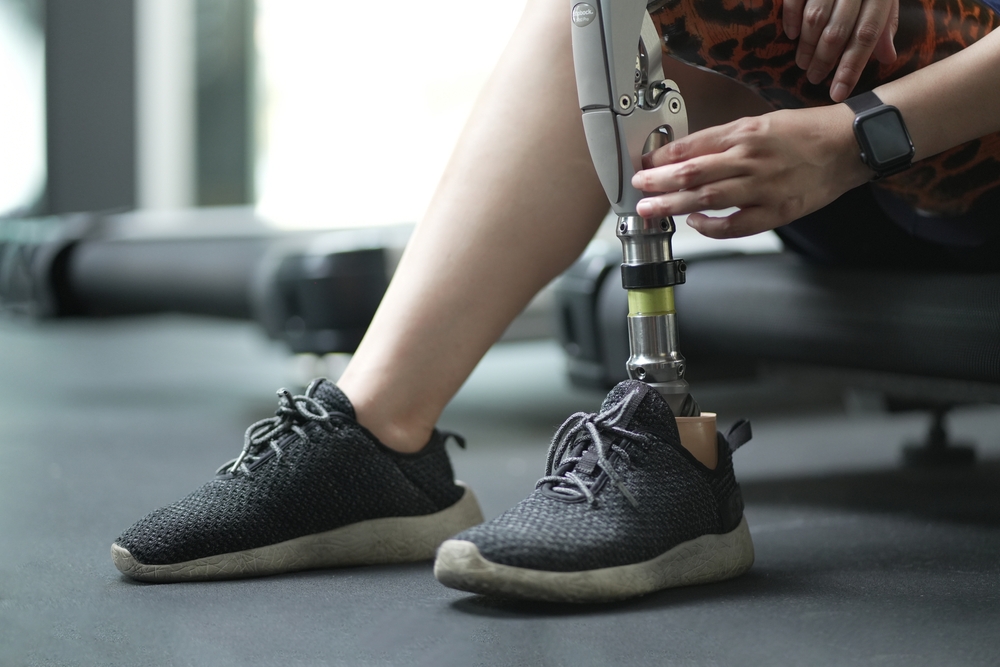 A prosthesis is not a one-time purchase. The initial device is the beginning of a long-term relationship between the person, their residual limb, and a series of prosthetic components that change over time.
What Causes Prosthetic Needs to Change?
Residual-limb shape and volume can continue changing during rehabilitation, which can require later socket and prosthetic adjustments. Prosthetic fitting involves multiple adjustments or remakes as the body changes over time, and a single device does not necessarily serve the person’s needs indefinitely.
Future prosthetic needs may include socket replacements, component repairs, different devices for different activities, and entirely new prostheses as the existing device wears or the person’s functional demands change.
How Do Prosthetic Costs Affect a Claim?
Prosthetic costs in a personal injury settlement or judgment need to reflect the medically supported long-term needs of the individual rather than the price of a single initial device. That means the evidence must account for future fittings, adjustments, repairs, replacement components, and later devices.
Resolving a claim before long-term prosthetic, rehabilitation, and vocational needs are sufficiently developed risks leaving important future losses undocumented. The first months after amputation can involve substantial changes in residual-limb volume and prosthetic fit. The full scope of future needs may not be clear during that period.
Call 918-246-0200 for a free case evaluation to discuss what prosthetic and rehabilitation evidence may support your claim.
How Does Limb Loss Affect Work and Future Earning Capacity?
A person who loses a limb may return to employment. Returning to work does not mean the injury stopped affecting earning ability.
What Is the Difference Between Lost Wages and Lost Earning Capacity?
Lost wages represent income already missed because of the injury. Lost earning capacity addresses a different question: whether permanent limb loss reduces the person’s realistic ability to earn income over the rest of their working life.
Someone who returns to a job after an amputation may still face documented limitations that affect their claim. Those limitations include restricted physical duties, fewer realistic occupational options, reduced hours or endurance, prosthetic limitations that affect job performance, and the need for workplace accommodations.
A vocational assessment examines how the person’s permanent restrictions affect realistic future employment. An economic analysis translates those supported future losses into financial projections. Neither assessment decides what the claim is worth, but both help document the gap between pre-injury earnings and realistic post-injury earning ability.
What Events Lead to Traumatic Amputations?
The legal question in an amputation case is not just what caused the limb loss. It is which person, company, or product had legal responsibility for the event.
Motor Vehicle and Truck Crashes
High-force collisions can produce crushing, twisting, or impact forces that result in traumatic limb loss. An amputation from a truck accident can involve severe crush or impact forces, depending on how the collision occurred. Liability analysis in these cases examines the driver’s conduct, the trucking company’s responsibilities, vehicle evidence, and other facts specific to the crash.
Crush Injuries
A crush injury occurs when a body part is compressed between heavy objects or surfaces. Not every crush injury results in amputation, but when it does, the medical record must explain how the original tissue, bone, nerve, or vascular damage led to limb loss.
When you work with a crush injury lawyer in Oklahoma at Lloyd & Lloyd, we trace that medical sequence and identify which party’s conduct or equipment created the dangerous condition.
Severe Burns
Severe burn injuries sometimes lead to later surgical amputation when the burn destroys enough tissue, blood supply, or underlying structure that the limb is no longer viable. These cases require medical evidence connecting the burn to the eventual amputation decision.
Machinery and Industrial Equipment
When machinery causes an amputation, the injured person may have a third-party claim against a manufacturer, outside contractor, property controller, or another non-employer party whose conduct or product caused the dangerous condition.
Under Oklahoma products-liability law, a machine’s involvement alone is not enough. In Clark v. Mazda Motor Corp., the Oklahoma Supreme Court restated the rule that the injured person must connect an unreasonably dangerous defect to the injury and show that the defect existed when the product left the manufacturer’s control.
What Does a Life Care Plan Do in an Amputation Claim?
A life care plan organizes the medically supported future needs of a person with permanent limb loss into a structured document. Forecasting future physical, rehabilitation, pain, and prosthetic needs after amputation is a complex process, and the plan provides a framework for presenting that evidence.
In a substantial amputation claim, a life care plan helps present evidence for needs such as:
- Future prosthetic devices, fittings, socket changes, repairs, and replacements
- Physical and occupational therapy and ongoing rehabilitation
- Home modifications such as ramps, bathroom adaptations, or changes to entrances and interior layout
- Vehicle modifications or transportation adaptations
- Assistive equipment for daily tasks
Not every person with an amputation requires the same modifications or the same level of future care. The plan reflects what the individual’s actual functional evidence supports.
A life care plan is not legally mandatory in every case. It does not determine damages; it helps document projected needs in a structured form. A Tulsa catastrophic injury lawyer evaluates lifetime losses when permanent limb loss creates lifelong care and work limitations.
What Ongoing Effects Does Limb Loss Create Beyond the Initial Surgery?
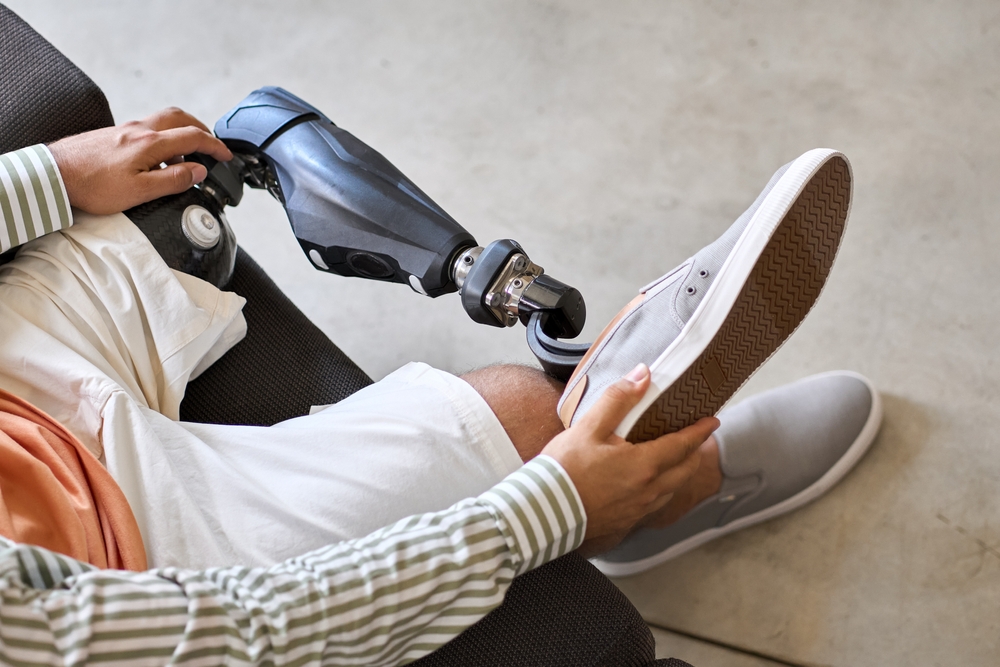
Amputation affects more than physical mobility. The ongoing consequences reach into daily independence, pain management, emotional adjustment, and the person’s ability to maintain their prior level of function.
What Is Phantom Limb Pain?
Phantom limb pain is real pain perceived in the missing limb. It is not imaginary. It is a recognized post-amputation pain condition that not every person with limb loss develops. Phantom limb pain is distinct from residual-limb pain, skin problems, or socket-related discomfort.
Phantom limb pain or residual-limb pain affects daily function, prosthetic use, sleep, work, and other claimed losses.
How Does Limb Loss Affect Independence and Daily Life?
Amputation rehabilitation is an ongoing, interdisciplinary process involving physical and occupational therapy, prosthetic training, and learning adapted ways to complete daily activities.
Limb loss can also affect emotional adjustment and daily independence. Interdisciplinary amputation rehabilitation programs include mental-health support as part of recovery. Psychological consequences form part of a claim when documented through the appropriate medical evidence, but limb loss does not automatically produce a specific psychiatric diagnosis.
Events that cause traumatic amputations sometimes involve multiple severe injuries. A person may also sustain catastrophic spinal cord injuries or internal damage in the same incident. The full scope of an amputation claim accounts for every supported loss, not just the limb itself.
What Damages Does an Amputation Claim Include?
An amputation claim must account for both current losses and the permanent costs and limitations the evidence supports. Amputation raises specific damages issues because the losses are permanent and the future needs extend over the person’s remaining lifetime.
Damages specific to amputation and limb loss, when supported by the evidence, include:
- Permanent physical impairment and loss of function
- Past and future physical pain, including phantom limb and residual-limb pain when documented
- Disfigurement as a separate element from pain
- Lost earnings and permanent impairment of future earning capacity
- Future prosthetic devices, fittings, repairs, and replacements
- Future medical care, rehabilitation, and therapy
- Home and vehicle modifications when functionally necessary
- Loss of independence and changes in daily activities
How Does Oklahoma Law Treat Permanent Limb Loss?
For bodily injuries occurring on or after September 1, 2025, current 23 O.S. § 61.3 expressly identifies loss of use of a limb within its permanent-and-severe-injury provision. When the factfinder makes the required statutory finding, the statute provides different treatment for noneconomic damages.
An amputation does not automatically trigger that provision. The factfinder must make the required finding based on the evidence.
How Long Do You Have to File an Amputation Claim in Oklahoma?
Most ordinary Oklahoma negligence claims involving personal injury fall under the two-year period in 12 O.S. § 95(A)(3). The two-year period usually begins when the injury occurs.
Claims involving government entities, minors, or other special circumstances can involve different timing rules. When you speak with a traumatic amputation accident lawyer at Lloyd & Lloyd, we confirm which deadline applies to the specific facts and defendants.
FAQs for Tulsa Amputation Injury Claims
Can a partial loss of a hand, foot, finger, or toe support an amputation claim?
Yes. A claim does not require the loss of an entire limb. Partial amputations of the hand, fingers, foot, or toes can create significant functional limitations, particularly when they affect grip, balance, or the ability to perform work-related tasks.
What evidence helps prove that a later surgical amputation resulted from the original accident?
Medical records documenting the initial injury, the treatment attempts to preserve the limb, and the clinical reasoning behind the decision to amputate connect the surgical amputation to the original event. Surgical notes, imaging, and follow-up records all contribute to that chain.
What if the prosthesis that works now may not meet my future needs?
Prosthetic needs change as the residual limb heals, changes shape, and adapts to use over time. A claim needs to account for medically supported future fittings, component changes, repairs, and replacement devices rather than treating the initial prosthesis as the final expense.
Can a family member's assistance after limb loss be relevant to the claim?
Yes. When limb loss reduces a person’s independence, a family member’s assistance with daily tasks, transportation, medical appointments, and personal care can be relevant to documenting the injury’s functional effects.
Is an amputation claim worth a set amount?
No. The value depends on the actual medical needs, prosthetic requirements, functional loss, earning effects, pain, future care, available legal claims, and supporting evidence. No formula assigns a dollar figure based on the type of limb lost.
What if investigators have not yet determined whether a machine was defective?
An ongoing investigation does not prevent an attorney from beginning the legal evaluation. Evidence preservation, product identification, and early engineering review help protect the claim while the investigation continues.
Moving Forward After a Permanent Injury
An amputation claim requires evidence that accounts for years of future prosthetic care, rehabilitation, earning limitations, and daily life changes. At Lloyd & Lloyd, we review the medical records, organize the long-term evidence, and help you understand what the claim involves.
We represent people with amputation and limb loss injuries throughout the Tulsa area from our office in Sand Springs, Oklahoma. Call 918-246-0200 for a free case evaluation to discuss the injury, the medical evidence, and what future losses need to be documented.
GET THE EXPERIENCE YOU NEED FOR YOUR CASE
If you have been injured due to the fault of others, contact Lloyd & Lloyd. Our record of success in the courtroom and in the courts of appeal, combined with our commitment to giving personal service, enable us to provide exceptional legal representation. You can fill out an online case review form by clicking here, or by calling us at (918) 246-0200.