
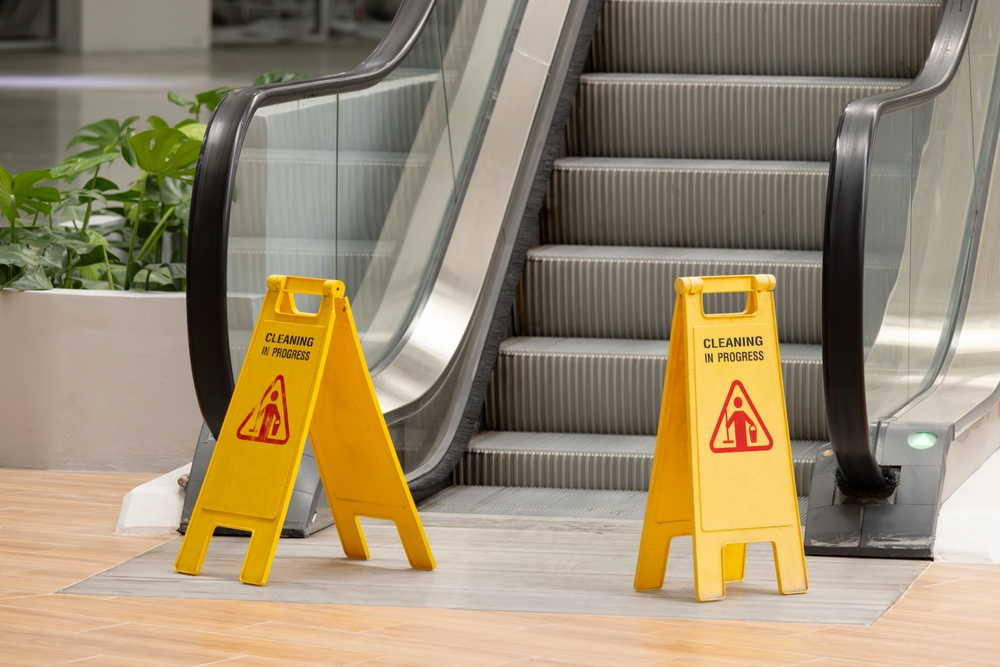
Tulsa Premises Liability Lawyer
A Tulsa premises liability lawyer investigates what made a property dangerous, who controlled the condition, and whether the responsible person or business knew about the hazard before someone got hurt.
An injury on someone else’s property does not automatically create a legal claim. The important questions are what caused the fall or injury, who had the duty to address it, and what they knew.
At Lloyd & Lloyd, we represent people who have been injured on unsafe property throughout the Tulsa area from our office in Sand Springs. Whether the claim involves a grocery store spill, an unlit parking lot, or a dangerous stairway, we examine the physical condition, the property records, and the applicable Oklahoma law.
If you need a Tulsa slip and fall lawyer or a slip and fall attorney in Tulsa for another type of premises claim, call 918-246-0200 for a free case evaluation.
How Does a Tulsa Slip and Fall Lawyer Prove a Property Owner Was Negligent?
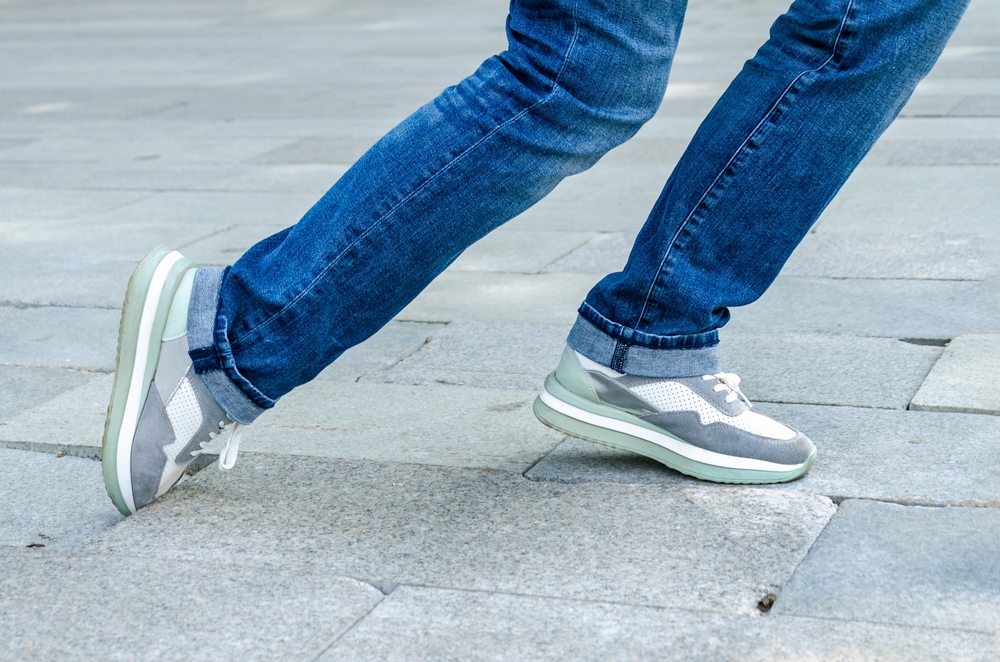
A successful slip-and-fall claim requires evidence connecting the fall to a dangerous condition that the responsible person or business created, knew about, or had reason to discover through reasonable care. A fall by itself does not prove negligence.
For a customer entering a store, Oklahoma law requires the business to use ordinary care to keep the premises reasonably safe. That includes addressing dangerous conditions the business actually knows about, conditions it created, and conditions it would discover through reasonable inspection.
Common examples include grocery-store spills, recurring leaks, debris on stairs, damaged steps, and broken handrails. Did the business know about the problem, create it, or leave it long enough that a reasonable inspection would have found it?
How Do You Prove a Store Knew About the Hazard?
In Williams v. Safeway Stores, the Oklahoma Supreme Court recognized three ways to establish notice: the store knew about the hazard, the store had reason to discover it through reasonable care, or the store or its employees created it.
Actual notice means the business really knew. An employee saw the spill, a customer reported the hazard, an incident report documented the problem, or maintenance records show an ongoing leak.
Constructive notice means the condition existed long enough, or under circumstances obvious enough, that reasonable inspection would have found it. Oklahoma does not set a fixed number of minutes that automatically establishes notice.
In J.C. Penney Co. v. Barrientez, evidence that litter had been on a stairway as long as 30 minutes let the jury consider constructive notice. But the court stressed that what counts as a reasonable time depends on the facts.
What If the Business Created the Hazard?
When an employee or the business itself created the dangerous condition, the injured person does not need to separately prove how long the hazard existed. Williams specifically recognizes creation by the store or its employees as its own basis for attributing knowledge.
When you speak with a store injury lawyer in Tulsa at Lloyd & Lloyd, we examine cleaning schedules, maintenance logs, employee tasks, and surveillance footage to determine whether the business or its staff caused the condition. That distinction changes what the injured person has to prove.
Call 918-246-0200 if you were injured at a Tulsa business and want to discuss whether the evidence supports a premises claim.
How Does Oklahoma Premises Liability Law Treat Different Visitors?
Oklahoma changes a property owner’s legal duty depending on why the injured person was on the property. A customer entering a store receives more protection than someone who entered without permission. Oklahoma courts reaffirmed this framework in Wood v. Mercedes-Benz of Oklahoma City.
| Visitor status | Typical example | Oklahoma duty |
|---|---|---|
| Invitee | A customer entering a store or a person present for a business purpose | Use reasonable care to keep the permitted area reasonably safe and address dangers the owner knows or has reason to discover |
| Licensee | A person allowed onto the property primarily for their own purpose, including a social guest | Warn about hidden dangers that the owner actually knows about and the visitor is unlikely to discover |
| Trespasser | Person entering without permission or legal right | Generally a much more limited duty, principally against willful or wanton injury, subject to fact-specific exceptions |
Oklahoma’s jury instructions give invitees the highest level of protection. For a licensee, the property owner’s duty is generally limited to hidden dangers the owner actually knows about. There is no general duty to inspect for unknown defects on behalf of a licensee.
Does an Open and Obvious Hazard Prevent an Oklahoma Premises Claim?
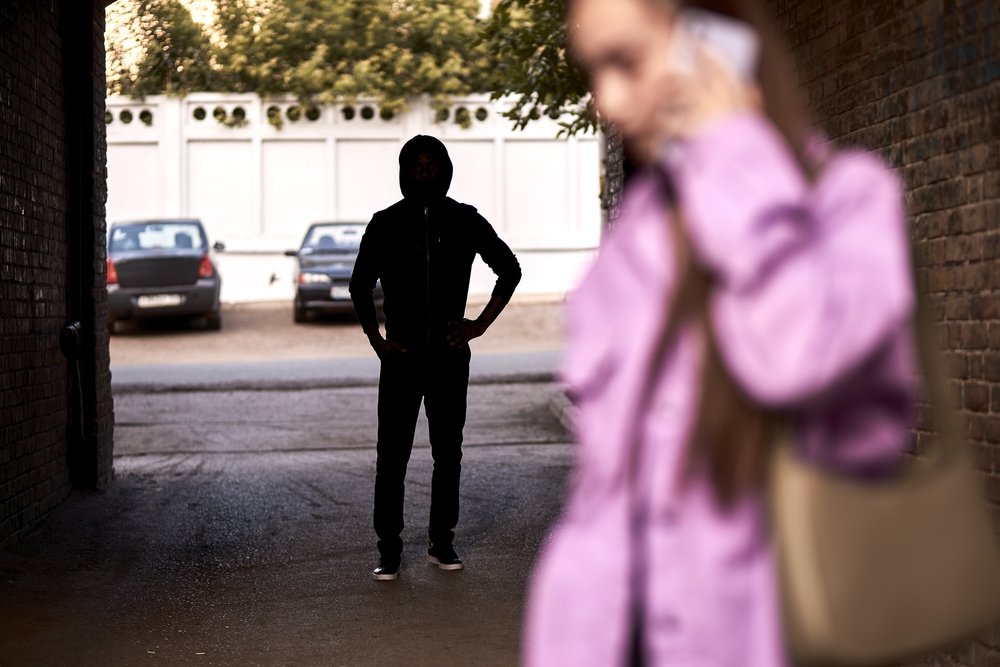
Oklahoma’s open-and-obvious doctrine can eliminate a property owner’s duty regarding a danger a reasonable visitor would recognize. The rule is not absolute, but Oklahoma traditionally holds that an owner does not have to protect an invitee against hazards that are so apparent that a reasonable person would discover them.
In Wood v. Mercedes-Benz of Oklahoma City, the court reached a different result under unusual facts. The dealership created the icy condition through its sprinkler system and knew that catering employees would have to cross it to perform their work. The court stressed that its ruling did not generally eliminate the open-and-obvious doctrine.
A separate but related issue is comparative fault. An argument that a visitor failed to watch where they were walking raises comparative negligence. The open-and-obvious doctrine concerns whether the property owner owed a duty regarding that hazard at all. Those are different legal questions.
Who Is Responsible When Multiple Parties Control the Property?
Responsibility often follows control over the dangerous area, so the record owner is not always the only possible defendant.
Parties whose control over the property matters include:
-
The business occupying the space where the injury occurred
-
A landlord who retains control over common areas such as stairways, > hallways, or parking lots
-
A property-management company responsible for maintenance and > inspection
-
A cleaning or maintenance contractor whose work created or failed to > address the hazard
Oklahoma premises decisions recognize the importance of possession and control. A landlord retaining control of common areas must exercise reasonable care over those areas.
A dangerous-property claim is one type of personal injury claim, but proving it requires additional questions about visitor status, property control, notice, and the condition itself.
What Injuries Besides Slip and Falls Lead to Tulsa Premises Liability Claims?
Slip-and-fall cases make up an important part of premises liability, but other dangerous property conditions support claims when the evidence connects the hazard to the responsible party’s negligence.
What About Trip-and-Fall Hazards, Unsafe Stairs, and Poor Lighting?
Trip-and-fall injuries involve uneven flooring, cracked pavement, unsafe stairs, broken handrails, or poor lighting. Inspection records, complaints, repair history, and maintenance records show whether the responsible party knew about the problem.
What About Falling Merchandise?
Merchandise that falls from a shelf raises a notice question similar to a spill. If employees stacked the items unsafely, the business created the condition. That is different from a customer knocking a product into an aisle moments before someone else walks through.
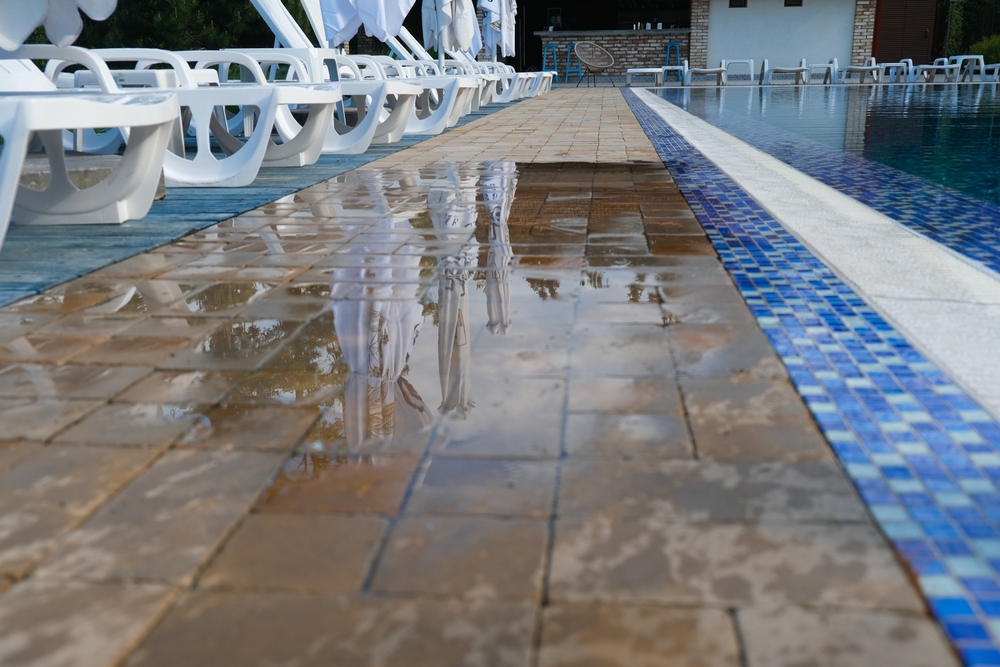
What About Swimming-Pool Injuries?
Swimming-pool claims involve unsafe surfaces, barriers, maintenance, or other property conditions. Liability depends on who controlled the pool area, what they knew about the hazard, and the visitor’s legal status.
When Is a Business Responsible for Criminal Activity on Its Property?
A business is not automatically liable when a crime occurs on its property. Oklahoma courts look at prior experience and surrounding circumstances to determine whether the danger was foreseeable enough to require reasonable protective measures.
Previous incidents, complaints, security records, and known problems on the property all become relevant evidence.
Are Dog Bite Claims Always Premises Liability Cases?
A dog injury on someone else’s property involves Oklahoma’s separate dog-liability statute as well as potential property-related negligence issues. Under 4 O.S. § 42.1, a dog owner is liable when the injured person did not provoke the dog and was somewhere they had a lawful right to be. That statute creates its own basis for liability separate from traditional premises negligence.
What Evidence Helps Prove a Tulsa Premises Liability Claim?
Premises claims depend on records showing what the hazard looked like, how long it existed, who knew about it, and what the property owner or business did before the injury.
Key records and evidence include:
-
Surveillance footage showing the condition before and during the > incident, along with incident reports completed by the business
-
Maintenance and inspection logs, cleaning schedules, and repair or > work orders
-
Photographs of the exact condition, witness statements, and records > of prior complaints or similar incidents
Some surveillance systems overwrite older footage, and retention periods vary by business. Identifying and requesting relevant video early helps preserve it before it is lost.
Prior complaints or similar incidents matter because they help show the business had notice or that criminal conduct was foreseeable.
Whether you have a personal injury case depends on more than the fact that an injury occurred. A premises claim also requires evidence connecting the dangerous condition to someone who had a legal duty to address it.
What If the Property Owner Says I Should Have Seen the Hazard?
Oklahoma’s comparative negligence statute under 23 O.S. § 13 applies to premises claims. An injured person recovers unless their negligence exceeds the combined negligence of the responsible parties. At 50% fault, recovery is reduced. At 51%, recovery is barred.
An argument that a visitor failed to watch where they were walking is a comparative-fault argument. It does not automatically eliminate the claim. The percentage depends on the hazard’s visibility, distractions in the environment, and whether the property owner had a duty to address the condition.
A Tulsa personal injury lawyer reviews whether the evidence supports negligence when responsibility for the property or hazard is disputed.
How Long Do You Have to File an Oklahoma Premises Liability Claim?
Most private-property premises claims fall under Oklahoma’s two-year personal-injury deadline. The governing statute is 12 O.S. § 95(A)(3), which creates a two-year period for actions involving injury to another person’s rights.
A fall on government-owned property is different. Oklahoma’s Governmental Tort Claims Act requires written notice within one year. After the government denies the claim or it is deemed denied, the claimant generally has 180 days to file suit.
The correct deadline depends on who owns or controls the property and other case-specific rules.
FAQs for Tulsa Premises Liability Claims
Does a warning sign automatically protect a business from liability?
No. The effect of a warning sign depends on what it said, where it was placed, whether it adequately identified the danger, and whether the visitor could reasonably avoid the condition while still using the premises for its intended purpose.
What if the dangerous condition was cleaned up right after I fell?
Cleaning the area afterward does not erase what existed at the time of the injury. Photos taken by the injured person or witnesses, the incident report, surveillance footage showing the condition before cleanup, and maintenance records all help document the hazard.
Can a landlord be responsible for a dangerous apartment common area?
A landlord who retains control of common areas such as stairways, hallways, or parking lots has duties concerning reasonably safe maintenance of those areas. The question is whether the landlord controlled the area, knew about the condition, and failed to address it.
Can I bring a premises claim if I was working on someone else's property?
A worker injured because of a dangerous condition on property controlled by someone other than the employer may have a claim against that third party when the evidence shows a breached legal duty. An injury involving the worker’s own employer is a separate legal issue.
Can I bring a claim after an injury at a swimming pool?
Liability for a swimming-pool injury depends on the dangerous condition, who controlled the pool area, what the owner knew about the hazard, and the visitor’s status under Oklahoma law. A broken gate, slippery decking, or other unsafe condition forms the basis of the claim.
Can I have a premises claim if I was attacked at a business?
A premises claim based on criminal activity requires evidence that the attack was foreseeable and that the business failed to take reasonable protective measures. Prior incidents, security practices, and the circumstances surrounding the attack all factor into whether the business owed a duty regarding that risk.
Talk to Lloyd & Lloyd About Your Premises Claim
The question after a property injury is not simply whether you fell or were hurt. It is what made the property dangerous, who controlled it, and what they knew before the injury happened. We review those facts during a free case evaluation and explain whether the evidence supports a claim.
Call 918-246-0200 to discuss what caused your injury, who controlled the property, and what evidence may show the responsible party knew or had reason to know about the danger.