
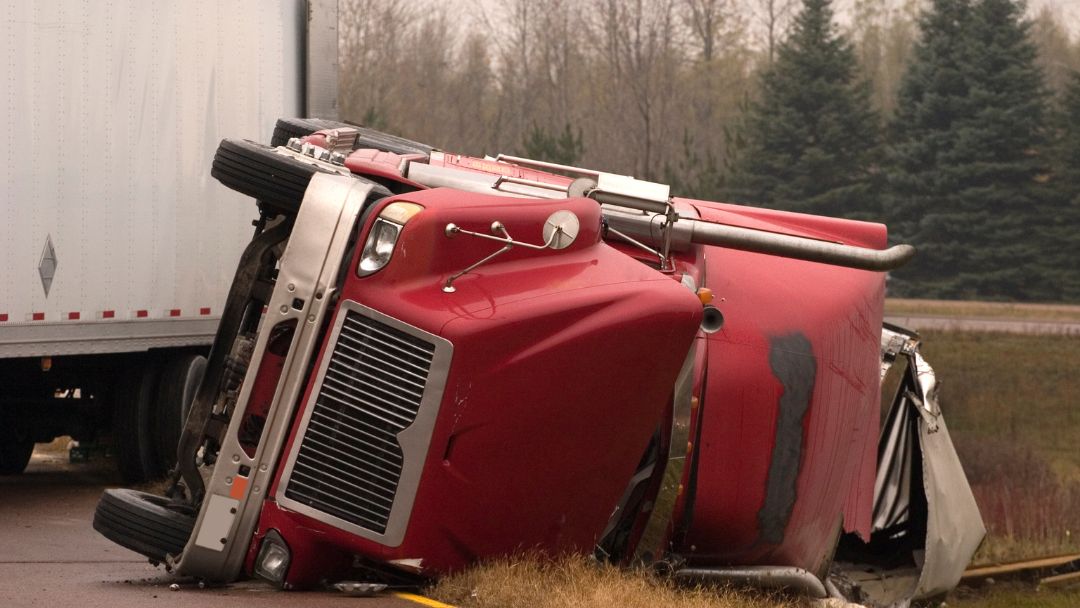
Sand Springs Truck Accident Lawyer
Collisions involving commercial semi-trucks, 18-wheelers, and delivery rigs are completely different from standard passenger car accidents. Because of the massive size and weight disparity, the injuries are almost always devastating, and the legal battles that follow are notoriously fierce.
At Lloyd & Lloyd, we know how to go head-to-head with commercial trucking companies and their corporate insurance teams. We step in immediately to preserve critical evidence, build an aggressive case, and fight for the maximum compensation you need to cover extensive medical care, lost income, and long-term recovery.
Why Truck Accident Claims Are So Complex
You cannot treat a commercial truck accident like a simple car crash. To win a fair recovery, your legal team must navigate unique challenges:
- Multiple At-Fault Parties: In a typical car accident, you sue the other driver. In a truck crash, liability might rest with the driver, the trucking company that hired them, the cargo loaders who packed the trailer poorly, or the manufacturer of a defective truck part. We investigate every angle to hold every responsible party accountable.
- Federal Safety Regulations: Commercial trucking is strictly governed by the Federal Motor Carrier Safety Administration (FMCSA). Trucking companies are legally required to follow rules regarding driver hours of service, mandatory rest breaks, weight limits, and vehicle maintenance. We dig deep into corporate logs to find out if a safety violation caused your accident.
- The Race to Preserve Evidence: Trucking corporations have immediate response teams that deploy to crash sites within hours to protect their bottom line. They own the critical evidence you need to prove your case—including the truck’s electronic logging device (black box), dispatch records, maintenance histories, and driver drug-test results. We act fast to file spoliation letters that legally force them to preserve this data before it is erased.
- Corporate Insurance Tactics: Commercial trucking policies are worth millions of dollars, which means their insurance defense teams will fight tooth and nail to devalue or deny your claim. They may try to blame the weather, mechanical failures, or even shift the fault onto you.
Do not try to negotiate with a corporate risk manager or sign an early settlement offer on your own. If you or a family member has been seriously injured in a commercial truck collision, you need an experienced, aggressive legal team to tip the scales back in your favor.
What should I do immediately after a commercial truck crash?
The moments following a wreck with a semi-truck are chaotic and overwhelming. However, the actions you take at the scene and in the days following will directly impact your physical recovery and your eventual legal claim.
Prioritize safety and call 911:Immediate action.
Move your vehicle out of active traffic if possible, turn on your hazard lights, and dial 911. Request both police presence and emergency medical personnel. Ohio law requires you to report any accident involving injuries or major property damage.
Identify the commercial entities: At the scene.
While exchanging standard driver’s license and insurance information, look closely at the commercial vehicle itself. Document the trucking company name, the USDOT number painted on the cab, and the license plate numbers for both the truck and the trailer.
Document the scene and gather witness info: Before leaving.
If you are physically able, use your phone to take comprehensive photos and videos. Capture vehicle damage from multiple angles, skid marks, road debris, traffic signals, and weather conditions. If anyone stopped to help, get their names and phone numbers before they drive away.
Get a professional medical evaluation: Within 24 hours.
Go straight to an emergency room or urgent care clinic, even if you feel fine. The adrenaline from a high-impact wreck frequently masks severe injuries like concussions, internal bleeding, and soft tissue damage. A delayed medical record gives the insurance company an opening to claim your injuries weren’t caused by the crash.
Instruct an attorney to issue a spoliation letter: As soon as possible.
Commercial trucks track data through Electronic Logging Devices (ELDs) and black boxes, which record speed, braking patterns, and hours of service. Trucking companies are legally permitted to overwrite this data after a certain period. An attorney must immediately send a formal spoliation letter to legally compel the company to preserve this evidence.
Critical Warning: Never apologize, speculate on the cause of the wreck, or admit fault to the truck driver or responding officers. Stick strictly to the physical facts of what happened. Trucking companies employ rapid-response defense teams that will use any casual statement to reduce their liability.
Who is responsible for my medical bills after a truck wreck?
Unlike a typical car accident where you just deal with the other driver, commercial truck crashes are complex. Liability often extends far beyond the person behind the wheel. Depending on the details of your accident, we look at multiple parties to recover your damages:
-
The Trucking Company: If they forced the driver to log illegal hours or neglected vehicle maintenance.
-
The Cargo Shippers: If an improperly loaded, unbalanced trailer caused the driver to lose control.
-
The Parts Manufacturers: If defective brakes or blown tires caused the crash.
The trucking company’s insurance agent called me. Should I talk to them?
No. Do not give a recorded statement or sign any paperwork. Representatives from the trucking company or their insurance carrier want to limit their financial liability. They often call injury victims early to offer a quick, lowball settlement before the full extent of your medical injuries is even known. Let your lawyer handle all communications so you do not accidentally compromise your claim.
How is a semi-truck accident claim different from a regular car crash?
The sheer size discrepancy means passenger vehicle occupants take the brunt of the impact, resulting in severe, life-altering injuries. Because the stakes are so high, commercial trucks are backed by massive corporate insurance policies. These companies deploy specialized defense teams to the accident scene within hours to gather evidence. To fight back, you need an attorney who understands federal trucking regulations (FMCSA laws) and knows how to preserve black box data before it disappears.
What kind of compensation can I recover after a commercial truck crash?
We pursue maximum compensation to cover the full physical and financial toll of the wreck. This includes immediate emergency room bills, ongoing physical therapy, lost wages from missed work, and diminished future earning capacity. We also fight for non-economic damages, such as compensation for severe pain and suffering and long-term physical impairment.
How do these feel for the trajectory of the page? We can tweak the specific angles, or if you have a couple of other specific questions you know clients constantly ask when they call the firm, throw them my way.

Take Back Control of Your Recovery
A commercial truck wreck turns your life upside down in a fraction of a second. While you focus on healing, managing surgeries, and adapting to missed weeks at work, corporate insurance legal teams are already building a defense to minimize your claim. You do not have to fight them alone. At Lloyd & Lloyd, we step in immediately to preserve critical black box evidence, handle the aggressive adjusters, and build an unshakeable case on your behalf. We handle every truck accident case on a contingency fee basis—meaning you owe us nothing unless we secure the financial recovery you deserve.

GET THE EXPERIENCE YOU NEED FOR YOUR CASE
If you have been injured due to the fault of others, contact Lloyd & Lloyd. Our record of success in the courtroom and in the courts of appeal, combined with our commitment to giving personal service, enable us to provide exceptional legal representation. You can fill out an online case review form by clicking here, or by calling us at 918.417.6580.